Beyond Stigma: What happens when sport, assistive technology and storytelling meet
By Jennie Wong, with reflections shaped by participants in the Beyond Stigma conversation
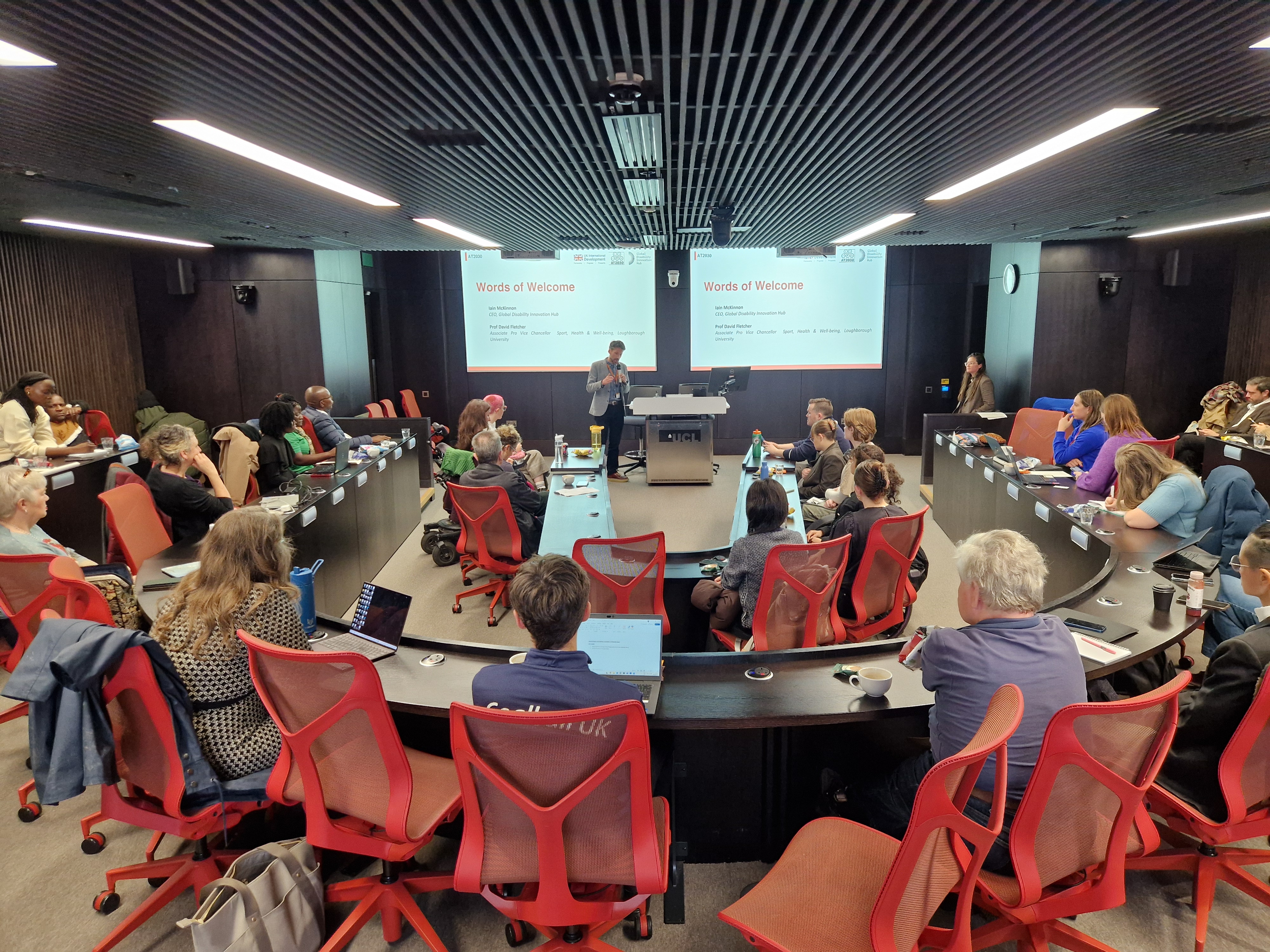
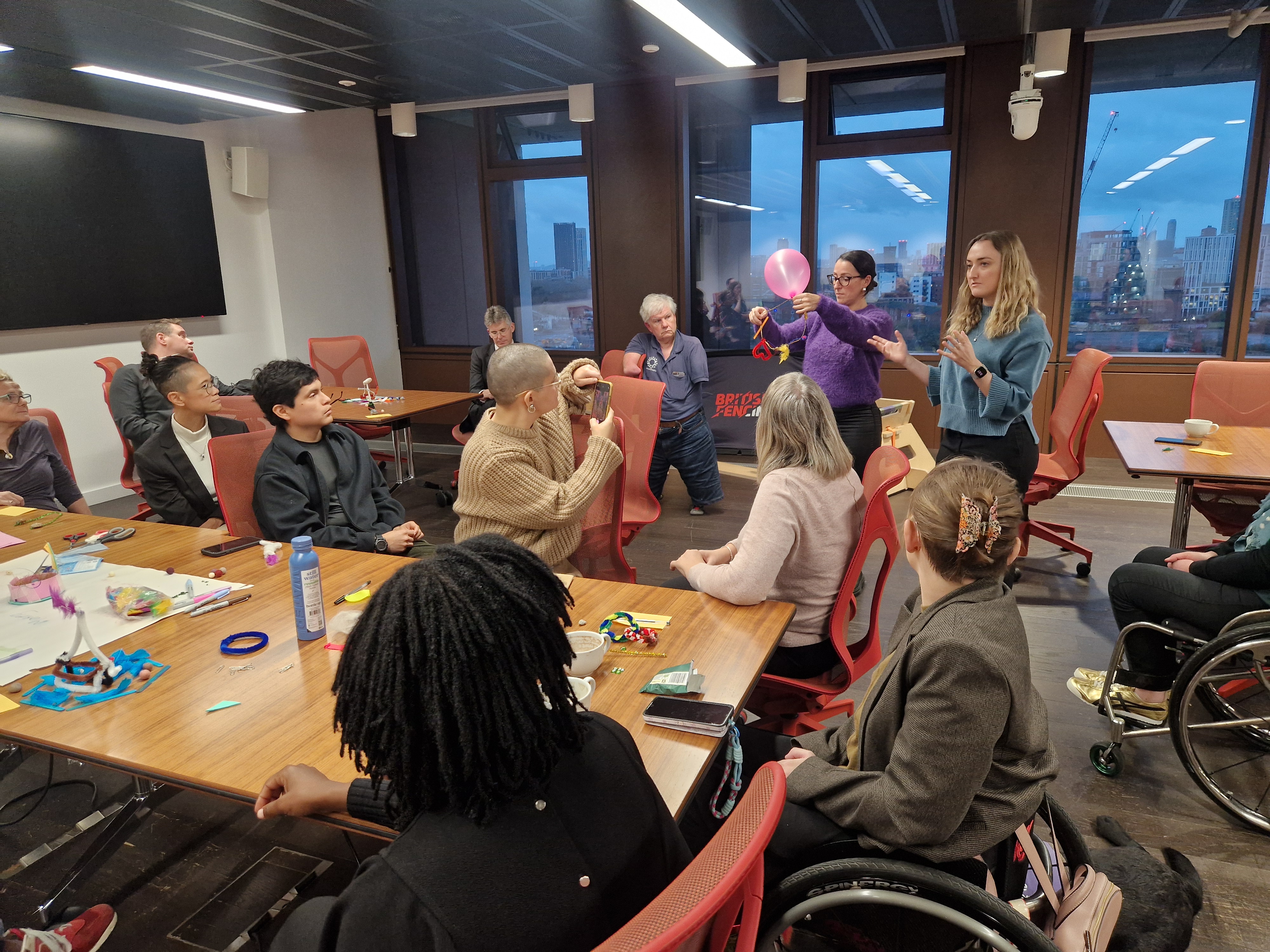
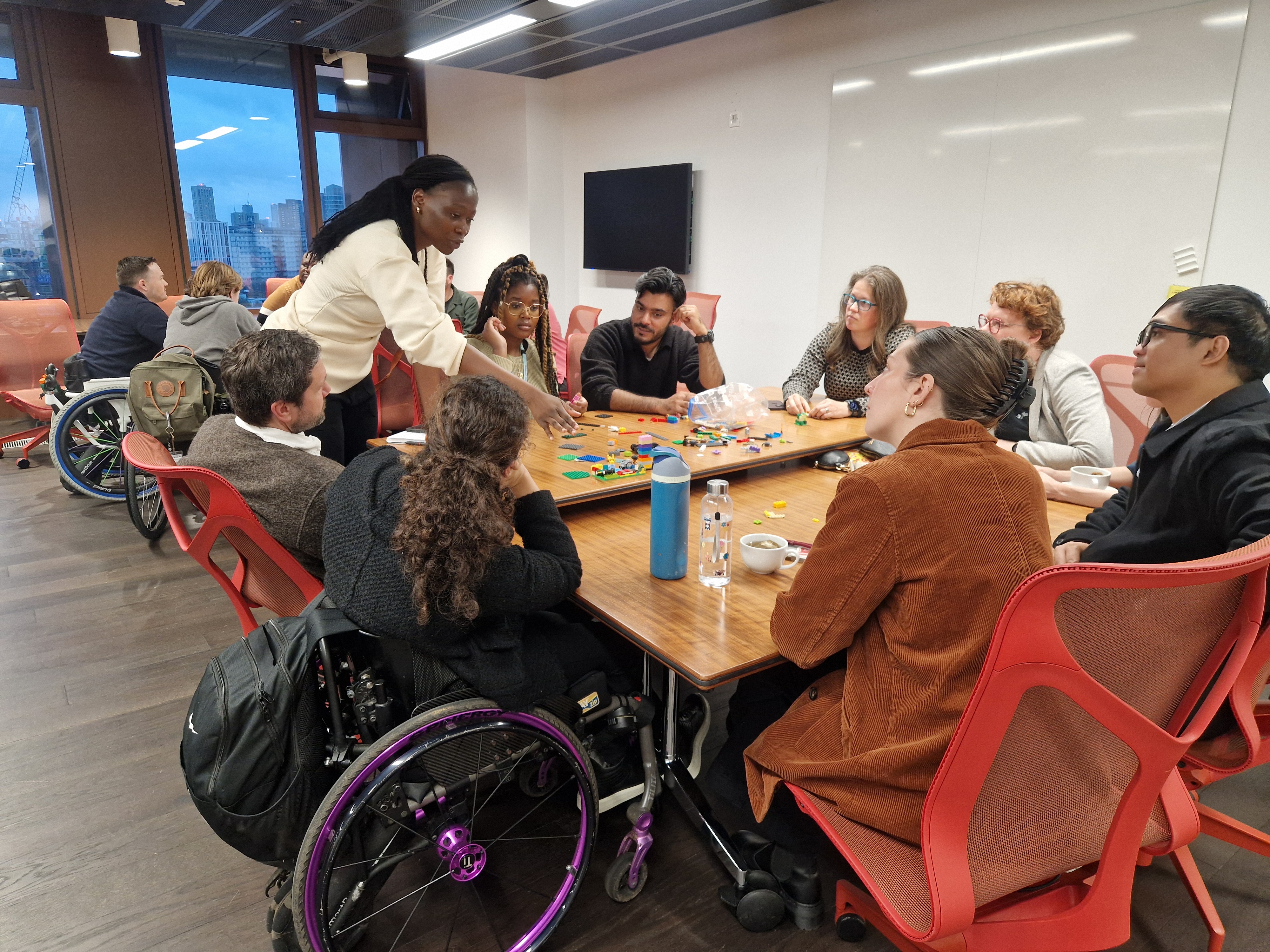
The Beyond Stigma knowledge share took place just before Christmas, on 9 December, at a point that felt less like an endpoint and more like a necessary pause. After almost two decades working across disability, sport, assistive technology and advocacy, I wanted to create space for a conversation that moved beyond awareness or attitude and instead focused on how stigma is produced through systems, and what that means for efforts to address it.
The timing was intentional. As Phase 2 of Para Sport Against Stigma draws to a close, it felt important to step back before moving on to conclusions or next phases. The project has grown and shifted over time, and this felt like a moment to engage people working around its edges as well as those closely involved. I also wanted to bring learning shaped in the Global South into the room and see how it landed with people working in the UK and wider Global North.
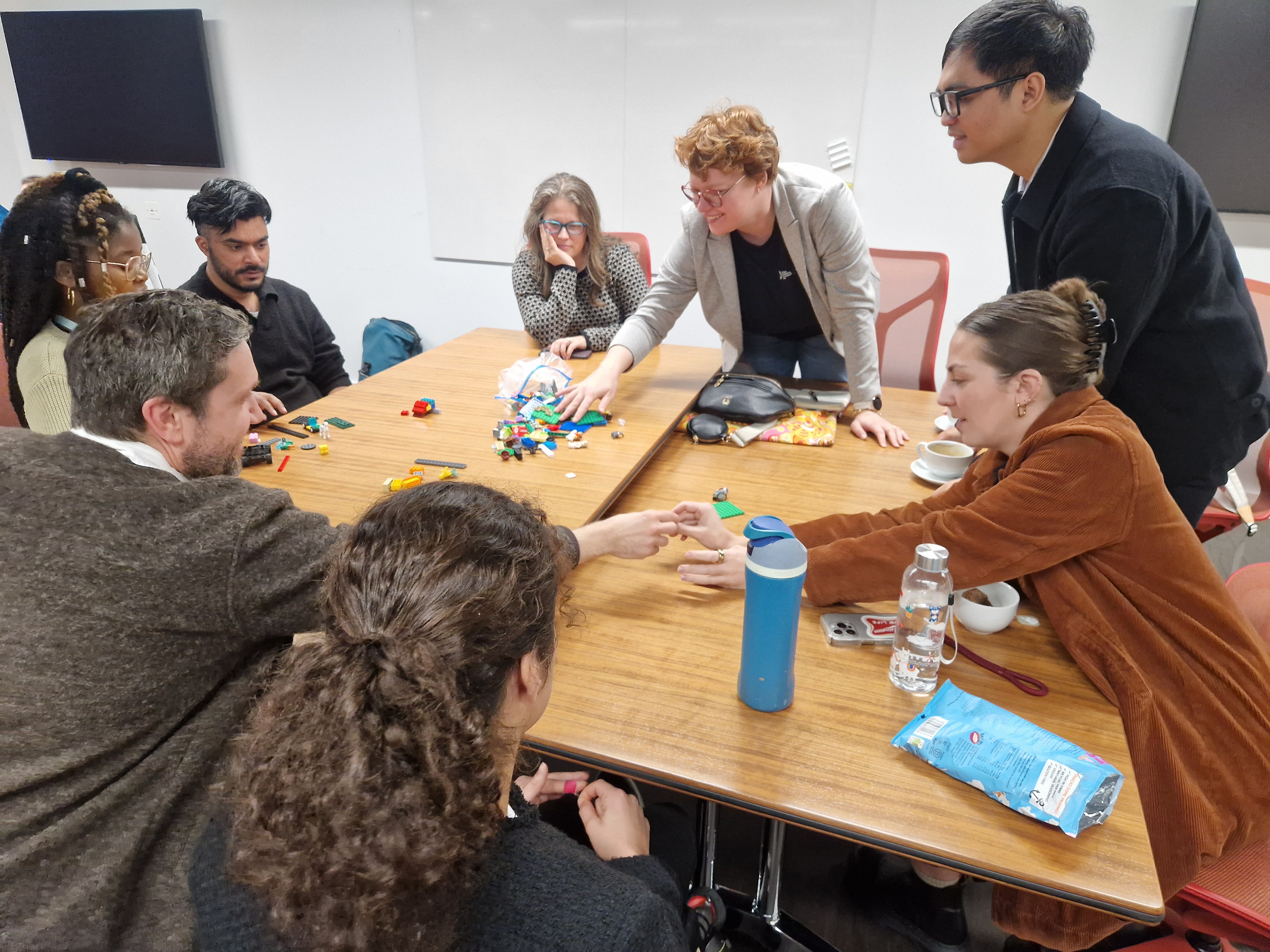
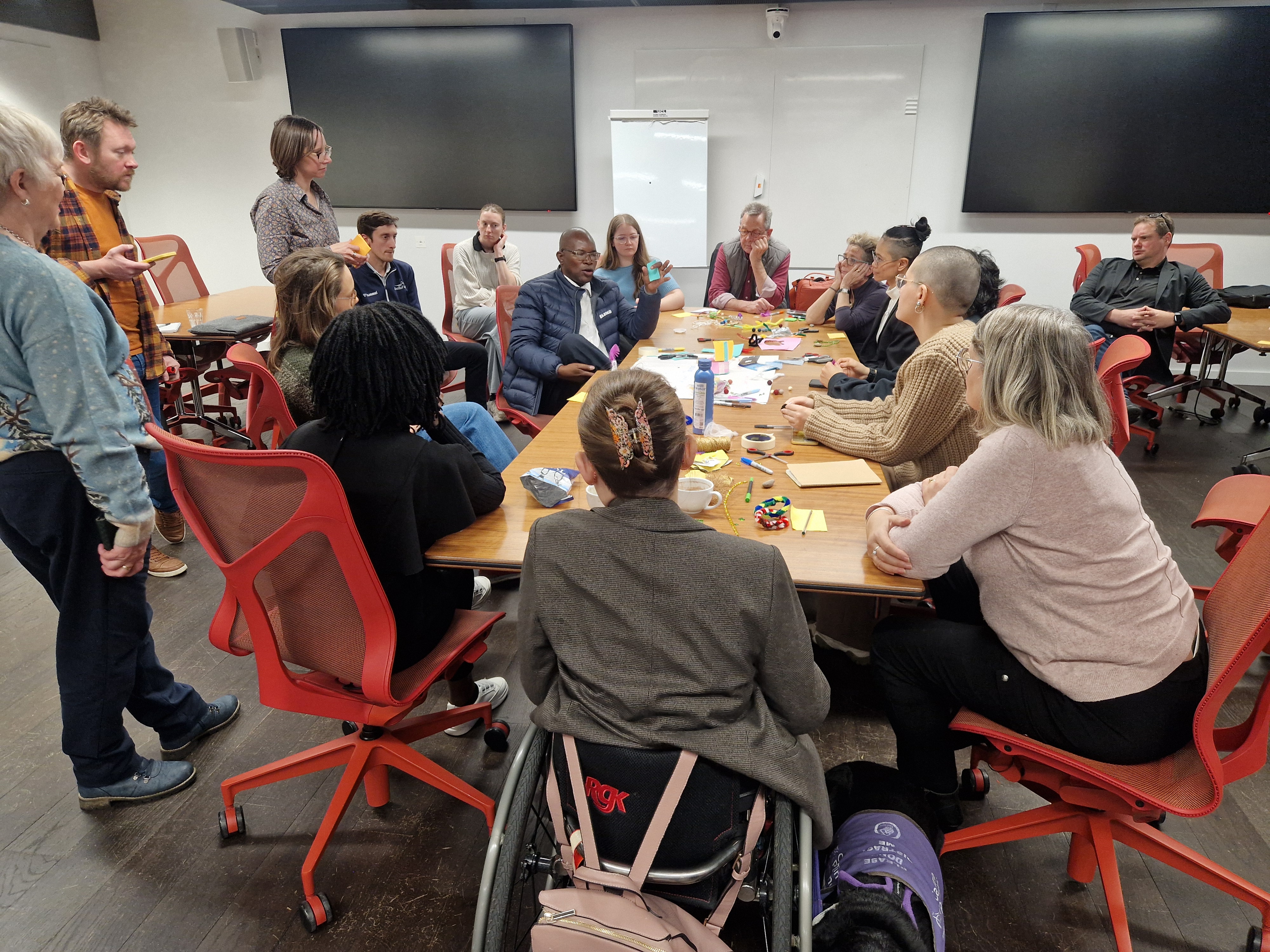
I was less interested in finding a single answer than in what might emerge when people working across sport, assistive technology and storytelling were asked to think together, without a fixed hierarchy of expertise. Beyond Stigma was set up as a working space, somewhere to test assumptions, challenge familiar frames, and build relationships across an emerging ecosystem. Inclusive and sustainable sport is not developed in isolation, and neither is the thinking that underpins it.
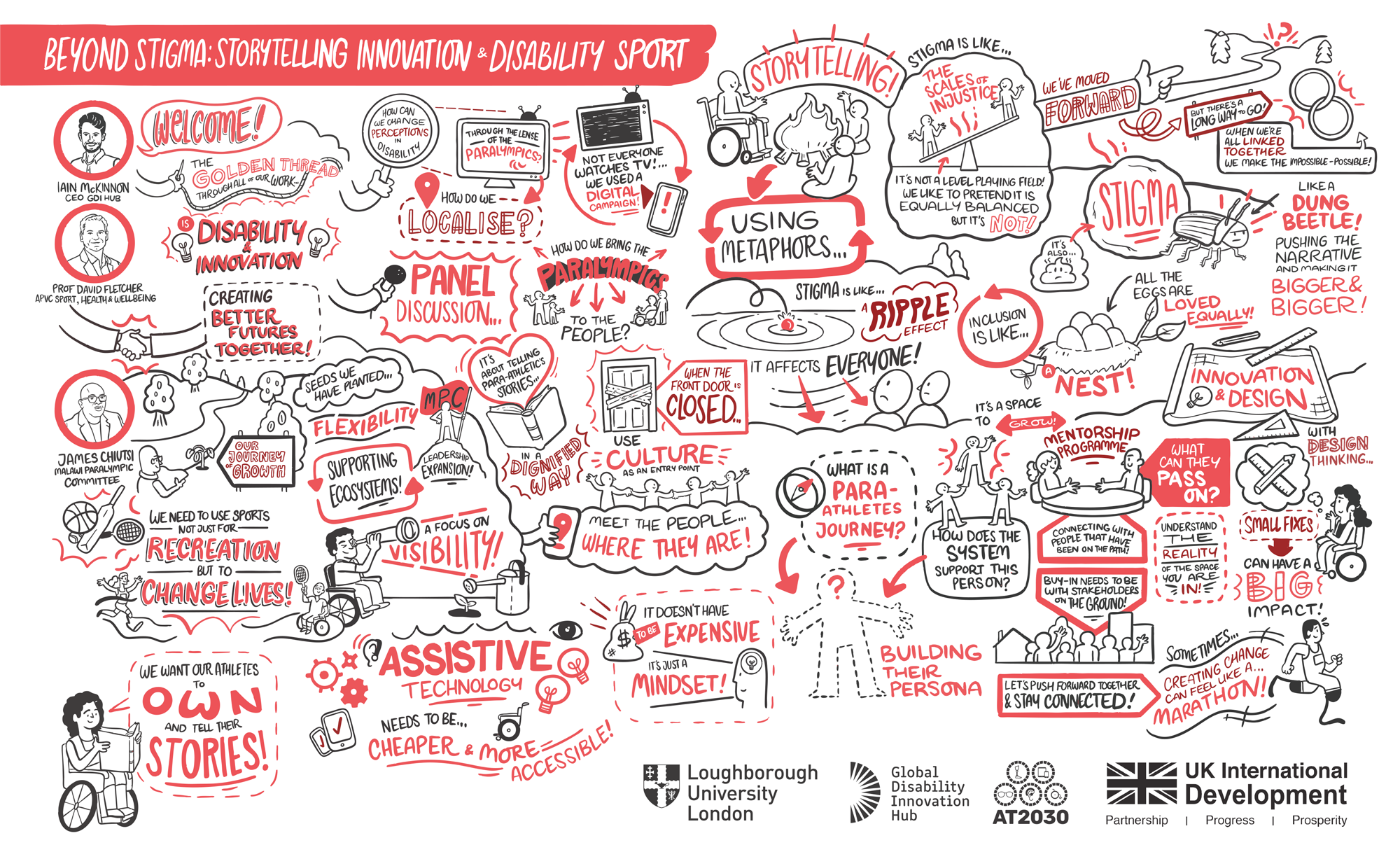
View the session illustration in full.
Designing the space: centring experience from the Global South
One of the most deliberate design choices behind Beyond Stigma was the direction of learning in the room.
Rather than opening with theory or frameworks developed in the Global North, the session began by centring lived and professional experience from the Global South, shaped through work in Southern Africa. This was not about presenting case studies, but about allowing those experiences to shape the questions that followed.
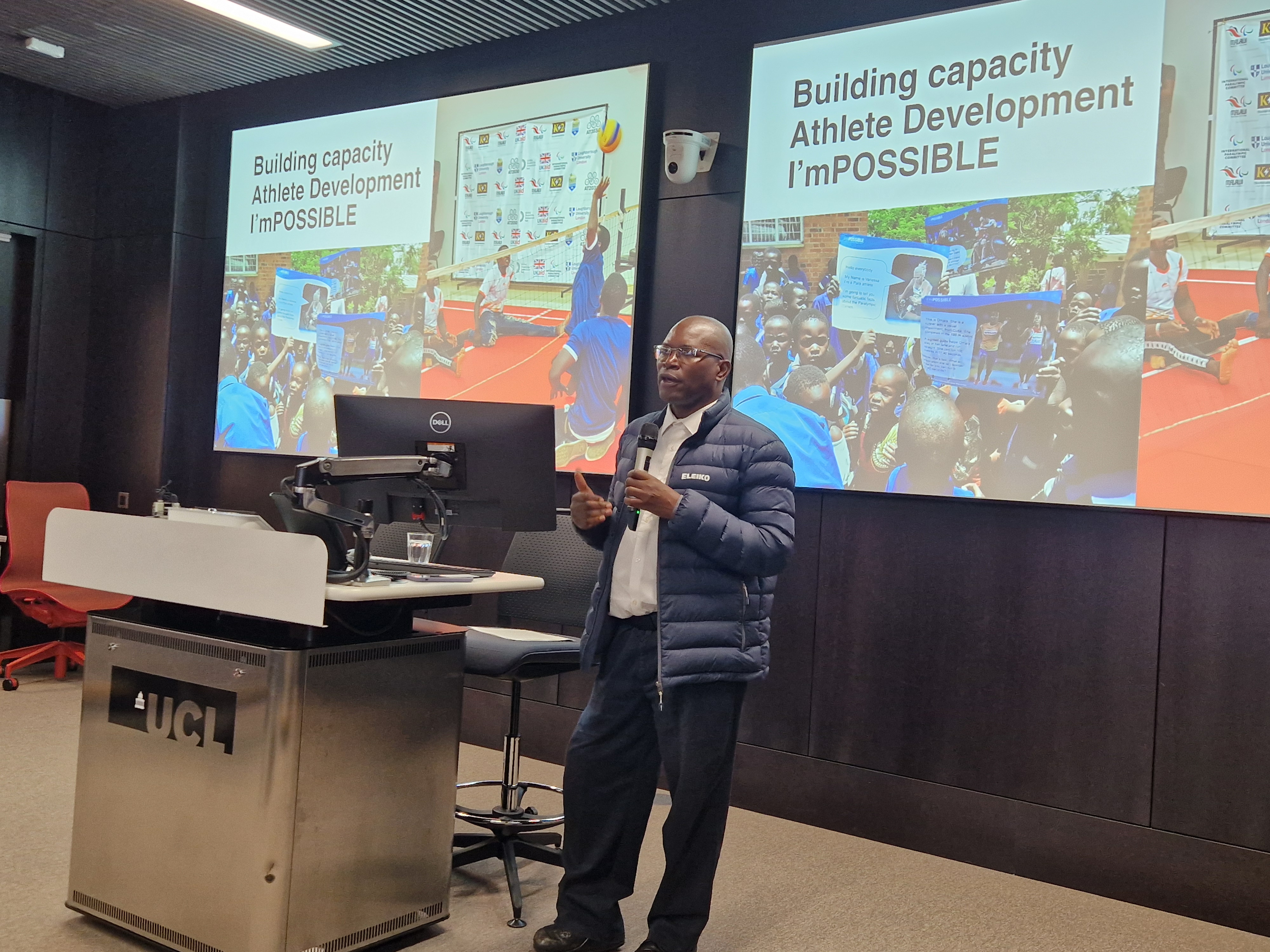
The conversation opened with reflections from James Chiutsi (President, Malawi Paralympic Committee), whose account of experiencing stigma, and how it informed his leadership in disability sport, grounded the discussion. Stigma appeared not as an abstract concept, but as something produced through everyday decisions about design, resourcing, visibility and participation.
Grounding the discussion in contexts such as Malawi, where access to assistive technology, media platforms and sporting infrastructure cannot be assumed, shifted the tone. Instead of asking how global frameworks might be applied elsewhere, the conversation opened space to consider what Global North systems might learn when exclusion is not theoretical but immediate.
From there, the discussion moved naturally into questions of systems, technology and storytelling, with a shared understanding that knowledge does not travel in only one direction.
Stigma shows up in systems, not slogans
We often talk about stigma as something personal, an attitude to be challenged or a mindset to be shifted. One of the strongest themes to emerge from Beyond Stigma, however, was how often exclusion is built into systems that appear neutral: rules, equipment standards, funding models, and assumptions about who sport is designed for.
This came into particularly sharp focus through discussions about sport-specific assistive technology.
Rick Rodgers [Inclusion Manager – British Fencing] spoke about wheelchair fencing and the role of a newly developed low-cost seated fencing system, The SwordSeat™, where a simple wood-based design is beginning to shift who is able to participate in the sport safely and affordably. The issue is not simply one of performance, but of access: whether appropriate chairs are available at all, how affordable they are, how they can be repaired, and how equipment design interacts with opportunity and training standards in practice.
One thing that’s often misunderstood is that this equipment isn’t about building another funding stream or replacing existing high-performance equipment; it’s about increasing opportunity so that participation isn’t just for the elite few who can afford it. As such, the system is open-source, and when sold by British Fencing, it’s sold at cost.
By making the system open source, it democratises participation in the sport and opens opportunities for a first-touch experience, which can spark a lifetime of activity.
What struck me was how clearly this example illustrated a wider pattern. Stigma does not always announce itself. Sometimes it sits quietly in infrastructure, in what is assumed, standardised, or left unsupported.
Assistive technology as a signal of belonging
Across the discussion, assistive technology emerged not just as a tool, but as a signal. A signal of who belongs, who is supported, and whose participation is seen as worth investing in.
Many of the themes captured in the live illustration created during the session reflect this understanding. The illustration helped surface how stigma operates across systems, from access to equipment and repair, through to visibility and participation. Assistive technology can enable involvement, but it can also act as a gatekeeper when affordability, repair, or local availability are treated as secondary concerns.
Perspectives from the Global South brought this into sharper focus. In constrained contexts, the consequences of design and resourcing decisions are more visible. In better resourced systems, those same dynamics can be easier to overlook, even though they are no less real.
Storytelling is not neutral
If assistive technology shapes access materially, storytelling shapes it symbolically. The stories told about disability sport, and the formats through which they are told, influence how athletes are perceived, how systems respond, and what kinds of participation are legitimised.
Here too, the conversation moved beyond representation towards questions of power.
Harriet Little [Para Archer and Master’s Researcher in Disability Sport Media] reflected on the tension between visibility and control in disability sport storytelling, using the metaphor of the dung beetle. When the same limited narratives are repeated—or when disability is excluded from everyday cultural conversations—the “ball” continues to grow: stigma accumulates, complexity is lost, and meaningful change is deferred. Visibility alone is not enough if it comes at the cost of agency, dignity, or nuance.
For Harriet, the metaphor also points to a way forward. When disability is routinely included within societal norms, the ball begins to shrink. Change happens not through exceptional or isolated stories, but through sustained inclusion that disrupts dominant framings over time. The challenge here is to interrogate how disability sport storytelling operates: who frames the narrative, what constraints shape those choices, and whose voices are reflected in the process.
What felt important was how closely this connected back to earlier discussions about systems. Storytelling is not separate from structure. It is one of the ways structure is maintained or challenged.
Passing the mic: learning from emerging voices
Masters student Roos Schroder attended the session as part of her wider research on stigma, assistive technology and storytelling. As part of her Masters thesis, she had already developed a podcast exploring these themes, not as an output of the event, but as a parallel line of inquiry shaped through her own research process.
Through the podcast, Roos was exploring how podcasting can function not simply as a way of sharing research, but as a reflexive, practice-based way of thinking through questions of stigma, representation and inclusive science communication. In that sense, the podcast sits alongside Beyond Stigma rather than responding to it directly.
Positioning the podcast alongside the event felt important. It offers a different mode of sense-making: slower, more exploratory, and less certain. Rather than summarising arguments or outcomes, it stays with questions that mirror many of the tensions raised during the discussion. It also reflects an intention to treat emerging researchers not simply as audiences, but as contributors to the field.
From conversation to consequence
Beyond Stigma did not offer neat answers. What it did offer was a shared language across sport, assistive technology and storytelling, for thinking about how stigma is produced, and how it might be addressed.
What stayed with me most was the contrast between the depth of practice, research and emerging voices already working in this space, and the lack of sustained environments to connect them. There are many pockets of insight, but too few places where ideas can be held, challenged and developed collectively over time.
This is why learning communities matter. Not as one-off events, but as ongoing spaces where people working across disciplines and geographies can think together, build relationships, and create the conditions for longer-term change in complex and under-resourced areas of work.
As the illustration reminds us, change rarely comes from a single breakthrough. More often, it comes from sustained attention, and from communities willing to sit with complexity and imagine systems differently.
Learn more about the research and innovations referenced in this article:
- The British Fencing SwordSeat™
- Harriet Little’s article: Why do Channel 4 and the BBC portray disability and disability sport differently? Analysing the production processes and audience reception of mediated sport
- Roos Schoder’s podcast on Spotify: Para Sport Against Stigma Conversations – Thinking of Science
------------------------------------------
Beyond Stigma was organised as part of AT2030 Para Sport Against Stigma, a research and innovation programme funded by UK International Development and led by Global Disability Innovation Hub. Find out more: https://at2030.org/para-sport-against-stigma-sp/ or contact: Jennifer Wong (project manager) – j.wong@lboro.ac.uk