Strengthen systems to make inclusion a reality.
We’ll embed disability innovation into national policy landscapes, stimulating demand, activating country pilots and creating enabling markets environment in Low-and Middle- Income Countries.
A new country office Africa (Rwanda) will build impact and partnership, exploring new opportunities for insight, knowledge and research - testing country implementation and providing technical assistance across AT2030 priority countries.
We’ll explore the intersecting challenges to enabling environment for AT access experienced by disabled people, with a focus on inclusive cities and infrastructure, climate and crisis resilience, and gender. Building evidence and driving action we’ll develop a global strategy on Inclusive Climate Resilient Infrastructure - creating a model of technical support and a city pilot for inclusive climate solutions with equity at it's core.
Continuing to work with WHO to deliver the commitments in the Global Report on AT, we will support the development of the Global Guidelines on Provision of AT, implementing country-led strategies and the roll-out of WHO’s Training in Assistive Products (TAP) at a national level.
We’ll also research the impact of incorporating AT products in the UNICEF catalogue and action plan to further accelerate impact to mainstream AT supply.
Sub-programmes:
- Country Implementation in Africa
- Thematic Public Goods
- Implementing the Global Report on AT
- Mainstreaming AT
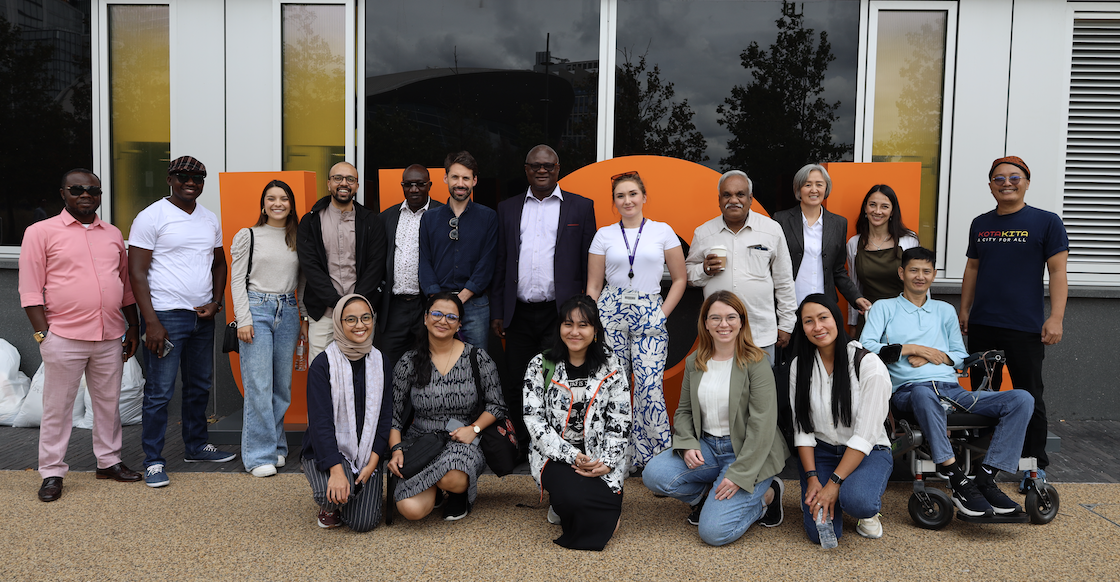
Sub-Programmes
- Thematic Public Goods: This sub-programme explores the intersecting and systemic challenges experienced by disabled people in AT access, looking at enabling environments.
Latest
-
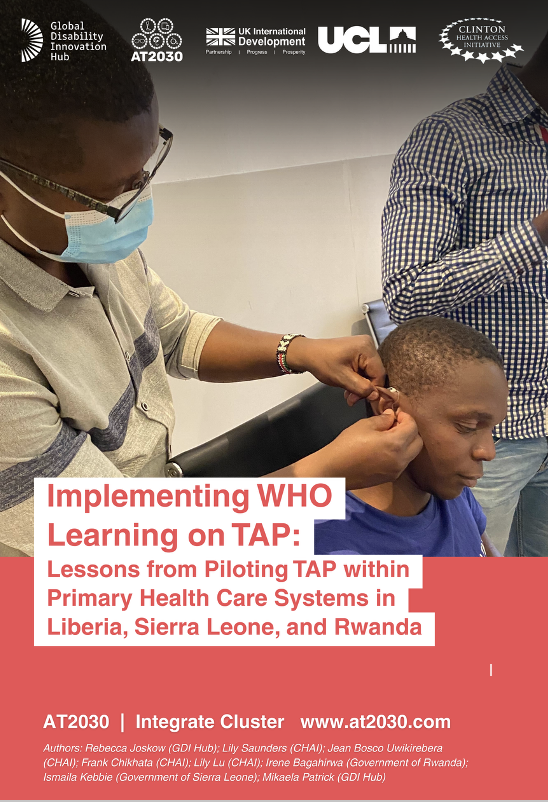
Implementing WHO Learning on TAP: Lessons from Piloting TAP within Primary Health Care Systems in Liberia, Sierra Leone, and Rwanda
Mikaela Patrick, Rebecca Joskow, Lily Saunders, Jean Bosco Uwikirebera, Frank Chikhata, Lily Lu, Irene Bagahirwa, Ismaila KebbieSept. 30, 2026Sierra Leone, Rwanda, LiberiaAcademic Research PublicationsThe World Health Organization (WHO) Learning on TAPTraining in Assistive Products (TAP for short) is an open access, online platform hosting modular courses on a range of health topics including assistive technology (AT) and sensory functions (eyes and ears). The training is delivered through a blended, self-paced learning approach. This learning paper examines implementation learnings and implications for scale up from three TAP pilots: 38 sites in Liberia (12), Rwanda (16), and Sierra Leone (10), distributing a total of 3,749 assistive products. The three pilots aimed to support training of primary and community-based healthcare workers on identification and provisions of AT
-
Inclusive Climate Infrastructure Design recording
Global Disability Innovation HubSept. 28, 2026GlobalThe Inclusive Climate Infrastructure Design Playbook provides a foundation for continued discussion and collaboration on how we can shape urban environments that are both resilient to climate change and inclusive of people with disabilities.
-
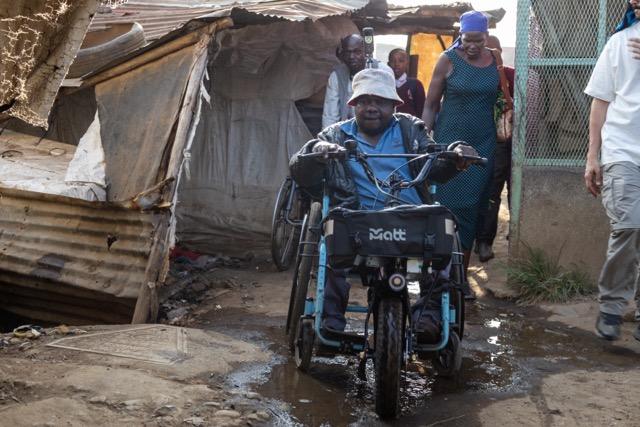
From Playbook to Practice: Mainstreaming Inclusive Climate Infrastructure Design
Global Disability Innovation HubSept. 22, 20262:00- 3:30 PM (BST)GlobalThe session will explore what it takes to move from principles to practice in designing and delivering infrastructure that is both disability-inclusive and climate-resilient. It will provide a starting point for practitioners, policymakers, designers, researchers and others to consider how inclusive approaches can be embedded across the development of cities and infrastructure globally.
-
Designing an Inclusive Energy Innovation Network - What Works in Practice?
Global Disability Innovation HubAug. 28, 2026Case Studies and ReportsThis case study captures early insights from eight innovation partnerships formed between actors from the clean energy and assistive technology sectors. Facilitated by the Global Disability Innovation Hub (GDI Hub), the intervention drew on the networks, partnerships, and ecosystem-building approaches developed through AT2030, GDI Hub’s flagship programme funded by UK aid, and wider disability innovation initiatives to connect stakeholders who would not typically operate within the same innovation ecosystem.
-
Liberia National Priority Assistive Products List (APL)
Clinton Health Access Initiative, Ministry of Health, LiberiaJuly 27, 2026LiberiaAcademic Research PublicationsLiberia’s first National Priority Assistive Products List (APL) is evidence of the Government of Liberia’s commitment to increasing access to assistive technology (AT) through strengthening governance and coordination in the sector. The APL is intended to guide the AT sector in procurement, donation, service provider training, development of technical standards and service delivery guidelines, and broader advocacy and resource mobilisation efforts. T