Local production in Nepal
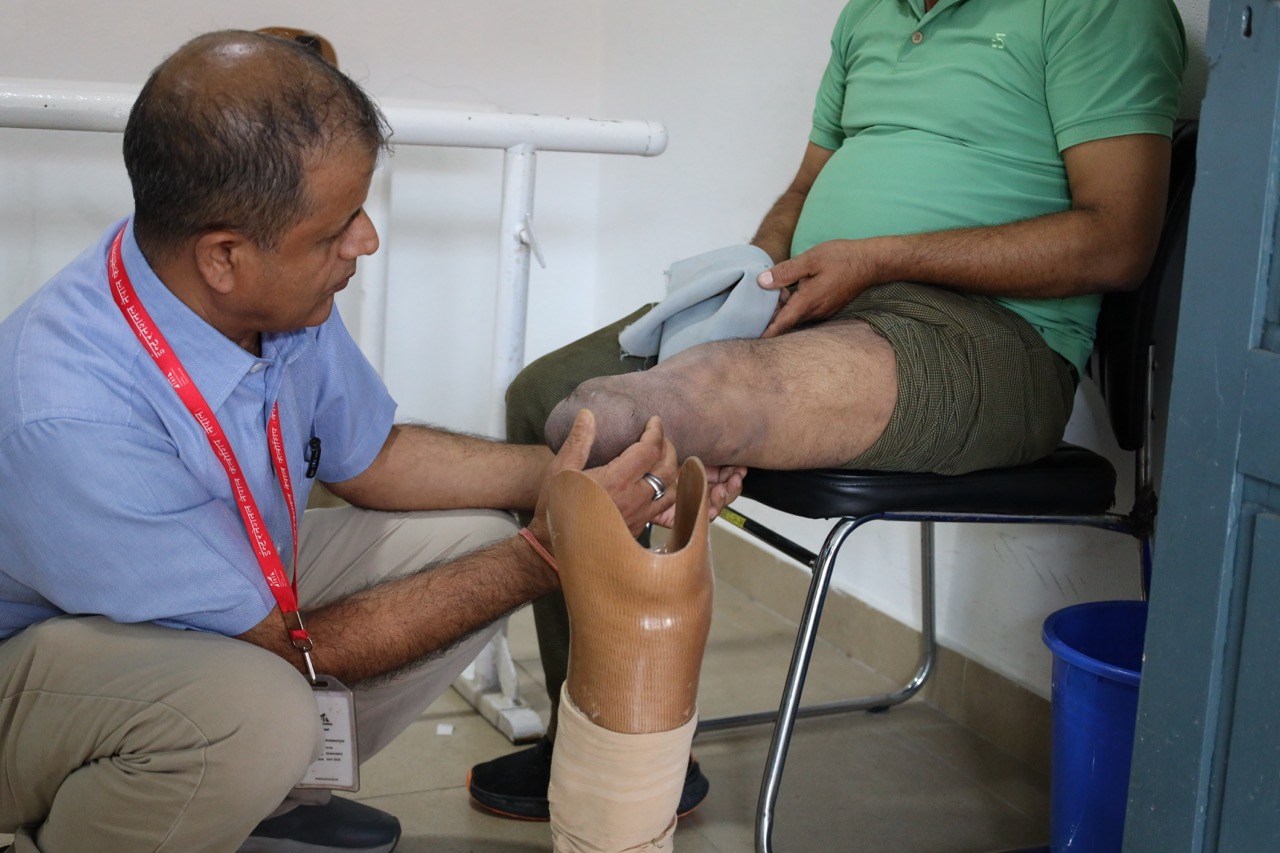
International Prosthetics and Orthotics Day, marked each year on 5 November, takes people as its theme in 2026. It is a fitting lens for the work AT2030 and its partners have been doing in Nepal. Our new publication, Local Production Systems Strengthening: AT2030 Programme in Nepal, brings that work together in one place. It sets out what has been tested, what is now running, and where the work goes next.
Starting with the gap
Global supply chains leave gaps. For someone who relies on a prosthesis, orthosis or wheelchair, a component that is costly or slow to import can mean weeks without a working device. The AT2030 Local Systems Strengthening Project in Nepal starts from that reality, focusing on local production capacity that can fill the provision gaps imports leave behind.
The publication is clear that no single organisation can do this alone. It depends on change across the whole system: assessment, production, fitting, repair, training and policy. That is why the programme brings together clinicians, engineers, makers, universities, hospitals and government, including Nepal's Ministry of Health and Population and the Karnali Province Ministry of Social Development.
Responding after the earthquakes
After the Jajarkot and Rukum earthquakes, the UNICEF and AT2030 Prosthetics Components Project used digital workflows, including 3D scanning, computer-aided design and 3D printing, to deliver 75 customised prosthetic devices to 67 people.
The response also left something lasting. Two digital prosthetics labs are now operating, at INF Shining Hospital in Surkhet and CDCA Nepal in Kathmandu. They give local teams the infrastructure to keep producing, fitting and supporting devices beyond the life of the original project.
The professionals behind the devices
Technology alone does not fit a socket. A five-day national training programme built digital fabrication skills among 17 NHPC-registered prosthetists and orthotists from across Nepal. The training integrated scanning, design and production into established clinical practice, placing new tools in the hands of the professionals who already know their patients best.
Designed with the person, not for them
Two co-design cases show what this looks like for one person at a time.
A man with a partial-foot amputation worked with a prosthetist, an occupational therapist and engineers to develop a personalised prosthesis, modelled on a mirrored scan of his intact foot and printed in flexible material. Each round of iteration improved comfort, walking and appearance, while testing a more efficient route to locally produced bespoke devices.
A young man with a partial-hand amputation worked with the team on a digitally fabricated hand built around him. Rather than replacing what he could already do, the design preserves and amplifies his existing grip, while giving him the more natural appearance he wanted.
In both cases, the person who would wear the device shaped the result. That is exactly what this year's theme asks of our sector.
Components, trials and remote provinces
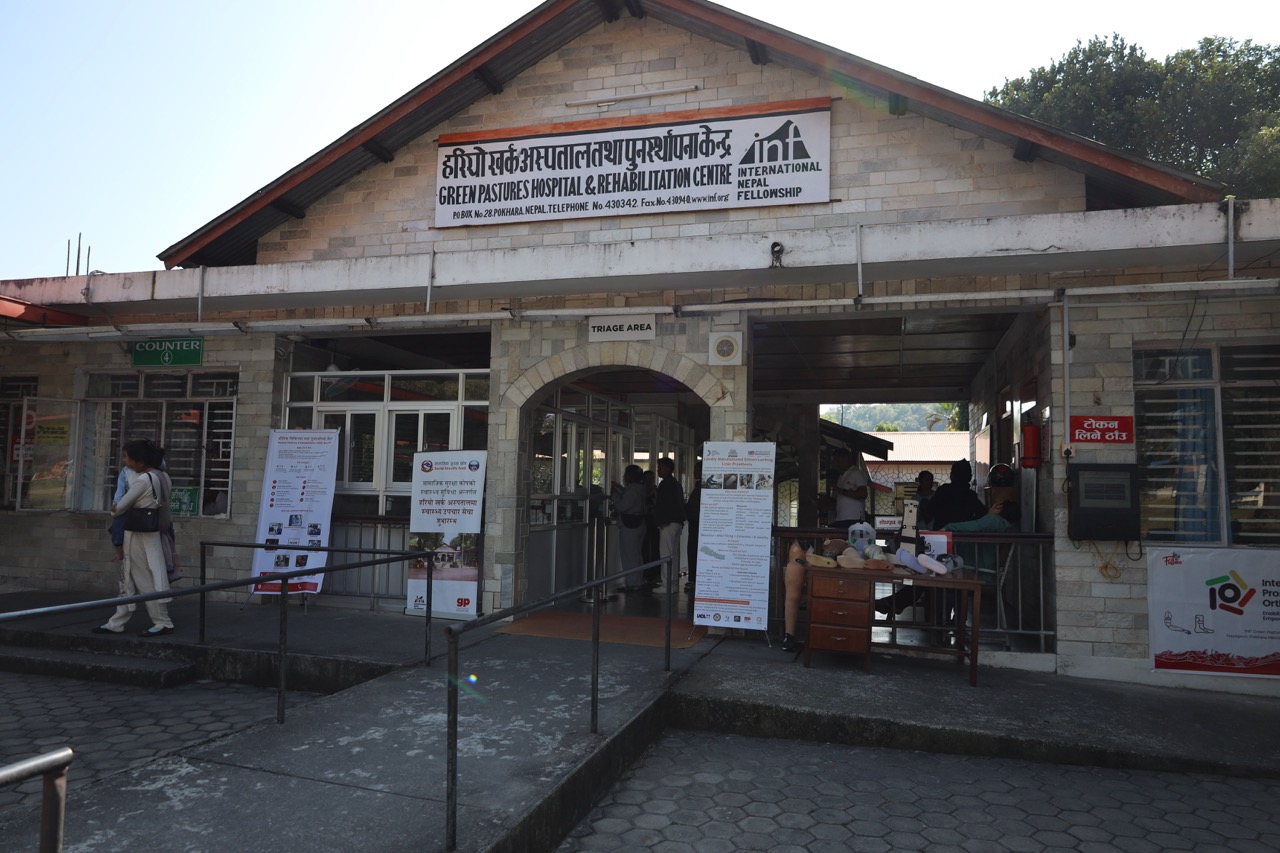
With INF Green Pastures Hospital in Pokhara, Operation Namaste and Kathmandu University Design Lab, the programme is exploring locally fabricated components, including soft silicone liners, foot insoles and transtibial and transfemoral sockets, through production and clinical trials.
Through the Royal Academy of Engineering Frontiers programme, the work is also reaching further. An inclusive prosthetics and orthotics unit is being established in remote Karnali Province, with local technicians trained in digital fabrication. Limb-Cycle combines AI-enabled socket design with recycled plastic 3D-printing material to make customised sockets more affordable and sustainable.
One system, many parts
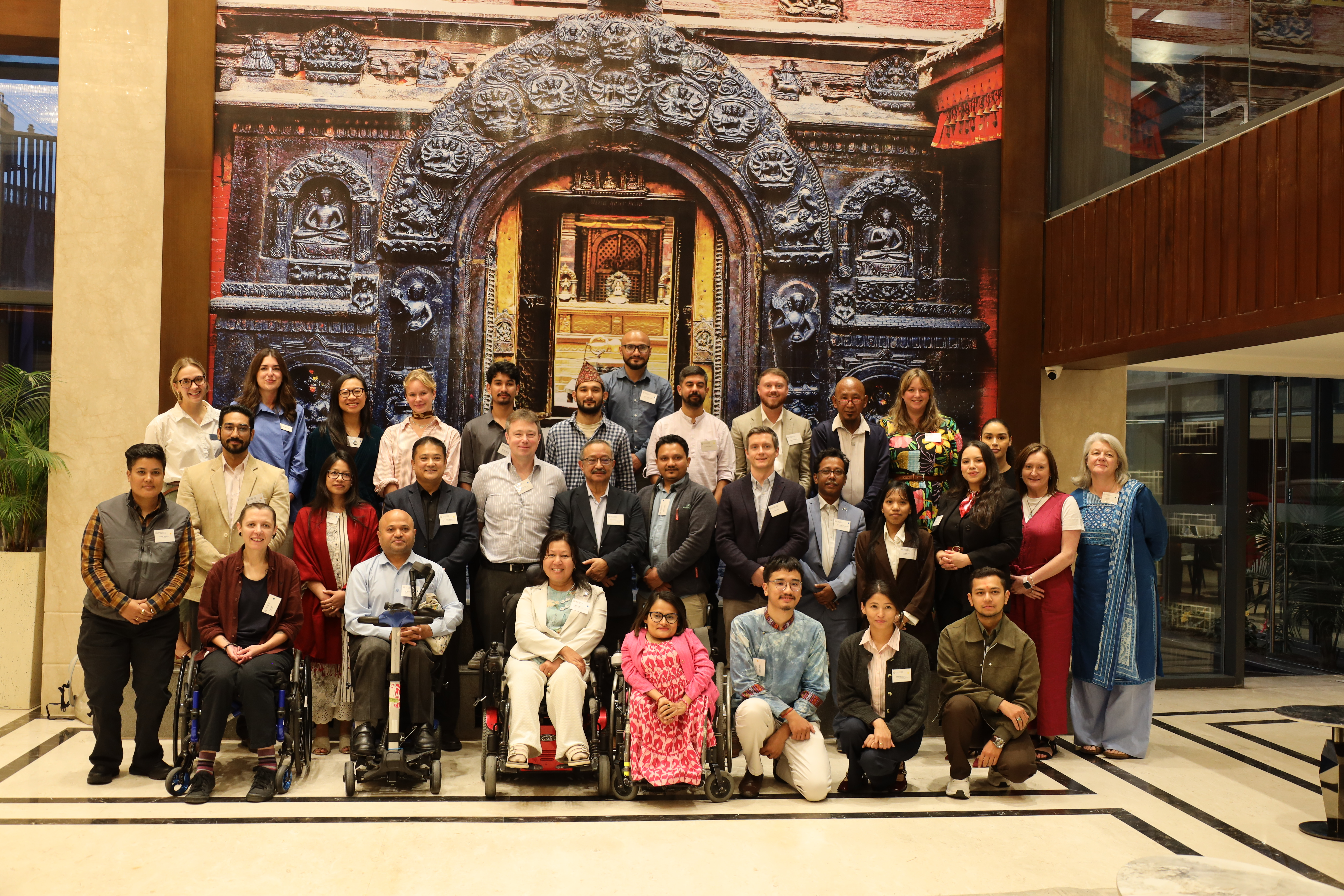
Prosthetics and orthotics sit within a wider assistive technology system, and the publication reflects that. It also covers a pilot producing critical wheelchair spare parts in Kathmandu, a growing network of provincial repair and fabrication hubs, Nepal's first certified wheelchair provision training programme, and MakerKo, a digital platform connecting makers, service providers and people with disabilities.
The common thread is that sustainable access is built by people working together close to where devices are needed. A lab, a printer or a platform is only the start. What lasts is the skilled workforce, the partnerships and the trust that keep devices working long after a project ends.