Para Sport Against Stigma
Para Sport Against Stigma (PSAS) is a research and innovation project exploring how Para and disability sport can be used to understand and shift disability stigma. Part of the FCDO-funded AT2030 programme, the project began by examining how Paralympic broadcasting could influence public perceptions across Sub-Saharan Africa in collaboration with the International Paralympic Committee.
Over time, the work has evolved. Today, PSAS focuses on how sport, storytelling, and assistive technology (AT) can contribute to longer-term systems change. We work in reflective cycles with national partners—co-developing activities, learning together, and shaping inclusive policies and practices from the ground up.
PSAS is currently delivered in collaboration with Loughborough University London, University of Malawi (UNIMA), the Malawi Paralympic Committee (MPC), and AUSC Region 5, alongside a wide network of storytellers, media professionals, and disabled persons’ organisations.

What We’re Doing Now (2024–2026)
We’re exploring how Para sport can drive inclusion across three strategic strands:
1. Making Noise: Visibility and Voice
We co-create campaigns and media content with local creatives and DPOs to spark dialogue and challenge stigma.
- #BeyondThisLand: The first African-led promotional film for the Paralympic Games, co-created with Oscar Ogero (“Gufy”), an African poet and travel influencer. Gufy’s work bridges literary artistry and experiential storytelling, and through this collaboration we reframed narratives around who the Paralympics are for while elevating African voices on a global stage.
🔗 https://at2030.org/beyond-this-land - Namibia Youth Games (2025): Through inclusive sport activations and digital storytelling, we showcased the role of Assistive Technology (AT) and shifted public perceptions of disability and performance.
- Zimachitika (Malawi): A fictional radio drama following a young woman with a disability, reaching national audiences with stories of stigma and resilience.
🔗 Case study
🔗 Conversation between Malawian radio drama producer and Para athlete

2. Sport and Assistive Technology
We are examining how assistive technology (AT) shapes visibility, access, and participation in sport.
- The Initial assumption: Showcasing elite AT — such as racing wheelchairs or running blades — would spark awareness and drive adoption and uptake.
- Emerging reality: High-performance technologies are often inaccessible in many African contexts, highlighting a gap between visibility at elite levels and practical access for everyday athletes.
In response, we’ve shifted focus toward authentic representation—highlighting locally relevant AT—and exploring strategic visibility. At the Namibia Youth Games (July 2025), wheelchair basketball and tennis, visually impaired Para athletics and unified football (Special Olympics) were featured in public-facing moments like the opening ceremony to spark conversation and connect AT to everyday participation.
Key questions we’re exploring:
- What role can sport play in raising the profile of AT?
- How do we tell meaningful stories when AT isn’t accessible?
- How can we position AT on sport agendas—and sport on AT agendas?
3. Shifting Systems
Beyond awareness, we’re working to embed disability inclusion in the systems that shape sport, education, and health.
- Malawi: A co-produced Evidence Brief on Para Sport and Social Change influenced the country’s new National Disability Policy. It called for stronger collaboration across ministries and led to a joint programme between the National Sports Council and the Ministry of Disability Affairs (MACODA).
- Namibia: At the 2025 Region 5 Youth Games, we supported an Inter-Ministerial Forum that brought together ministries responsible for sport, education, health, and disability to explore coordinated approaches sport assistive technology.
Across all settings, our approach centres on co-creation, reflection, and local leadership.
Research and Learning
PSAS is grounded in participatory action research, led by academic teams at Loughborough University and UNIMA. Research is embedded into the project design, helping us adapt, evaluate, and generate insights that inform real-world decision-making.
Featured Outputs
- Evidence Brief: Para Sport and Social Change in Malawi
- Academic papers
- PSAS Learning Report 2024
Explore the Loughborough PSAS archive for early Phase 1 work on broadcast, school-based programmes, and athlete development.
What’s Next
We are building on the momentum of Making Noise by exploring new ways to deepen impact and extend inclusive sport storytelling across Africa and globally. Current areas of development include:
- A new research-driven initiative to generate evidence on how creative storytelling can challenge stigma and shift public attitudes in Southern African contexts.
- A “Making Noise” resource suite to support evolving campaigns towards Maputo AUSC Region 5 Games 2026, Special Olympics World Games 2027, LA2028 Paralympic Games etc.
- Regional Collaboration Platform: A space that brings together sport, assistive technology, and innovation — connecting design, athlete development, and policy influence to drive inclusive futures across the continent.
Want to collaborate or learn more?
Project Team
- LU: Jennie Wong, Dr. Jessica Noske Turner, Dr. Emma Pullen
- UNIMA: Prof. Mufunanji Magalasi
- MPC: James Chiutsi, Memory Baluwa
- 54 Impact: Sheila Cleo Mogalo
- AUSC Region 5: Stanley Mutoya
📬 Contact us
Latest
-
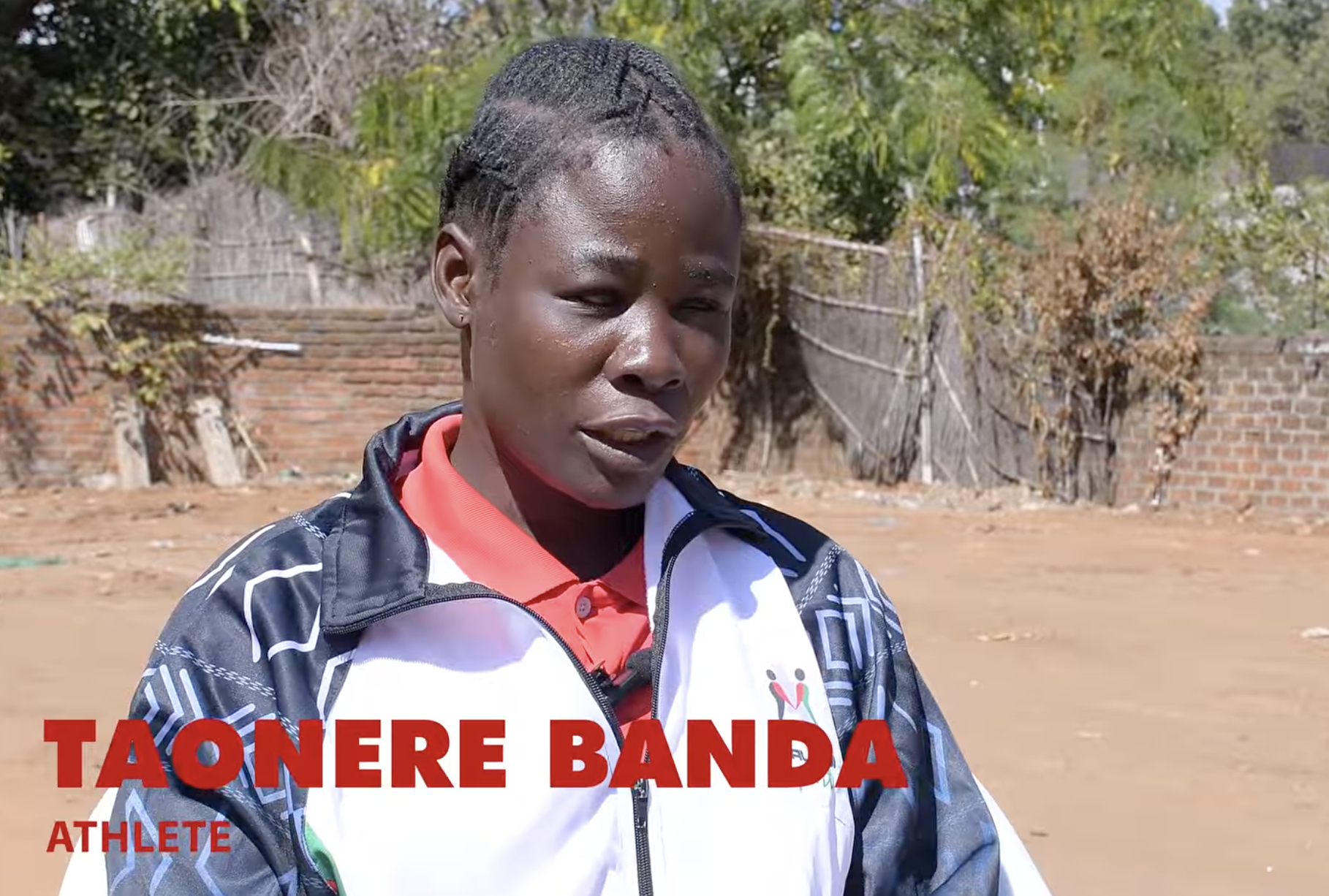
Listening First: What We Learned from an Exploratory Practice Activity on Athlete Storytelling in Malawi
Global Disability Innovation HubDec. 30, 2025MalawiCase Studies and ReportsSubline: The value of locally produced athlete stories When the Tokyo 2020 Paralympic Games took place, Malawi was in an unusual position. The Malawi Broadcasting Corporation held the rights to air daily Paralympic highlights for the first time, however there was very little locally produced footage, video storytelling, or photographic archive of Malawian Para athletes to support that coverage.