AT2030 Frontiers symposium awardees
Meet our awardees
After a thorough reviewing process, we are delighted to announce the following projects that have been awarded as part of a collaboration between the Royal Academy of Engineering and UCL Global Disability Innovation (GDI) Hub’s AT2030 Programme. AT2030 is funded by UK International Development.
Bikash wheelchair / Mobility AT repair centre (Nepal)
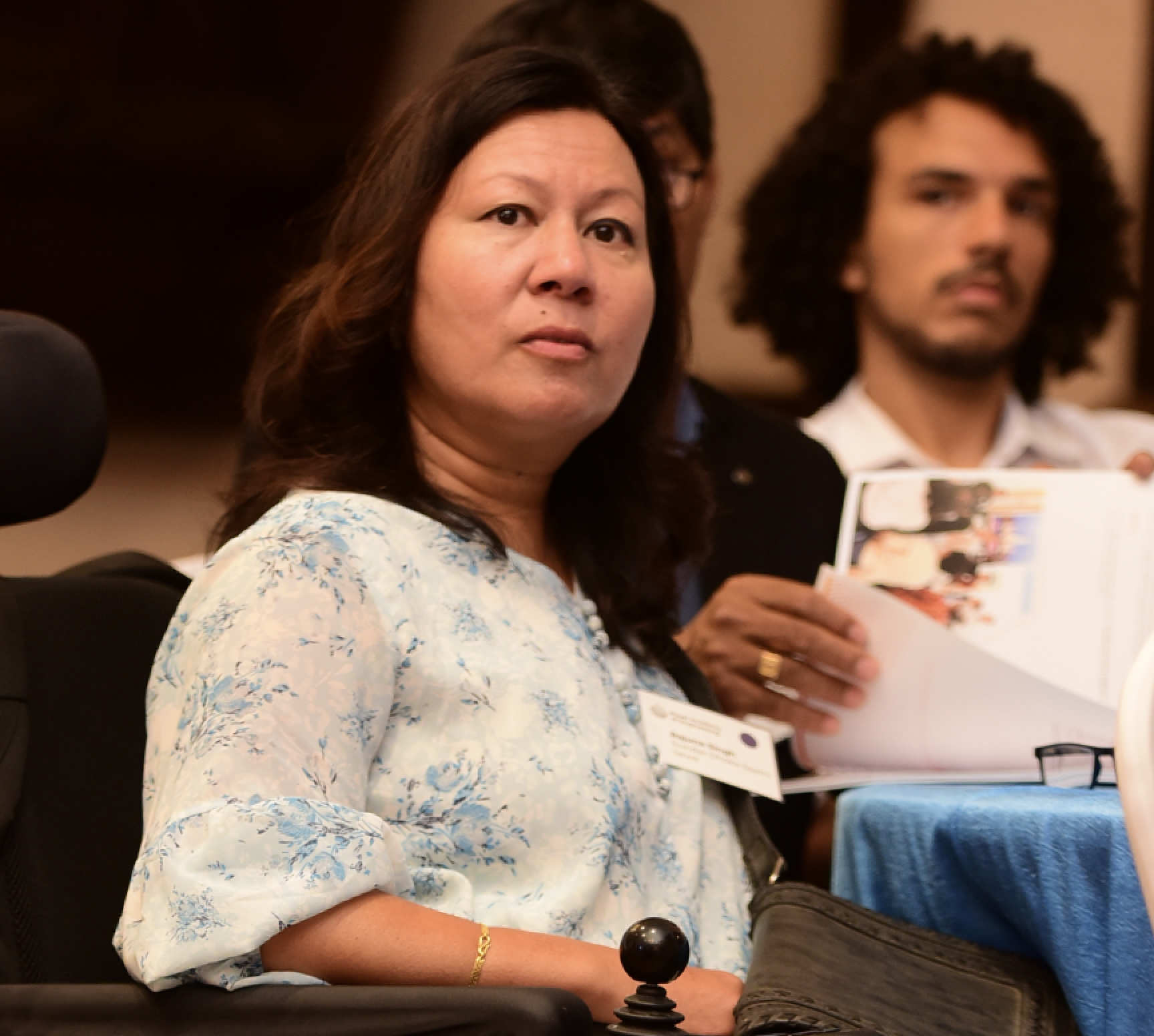
Awardees:
- Rajuna Singh, Sundar Dhoka Saathi Sewa, Nepal (lead applicant)
- Bikash Paudel, Zener Technologies Nepal
- Ashish Adhikari, Center for Disabled Children Assistance, Nepal
People with disabilities in Nepal often struggle to access timely wheelchair and assistive technologies (AT) repair and maintenance due to the lack of decentralised services. This project will establish repair and maintenance hubs in all seven provinces. These hubs will produce spare parts locally through 3D printing. They will also use reclaimed materials to customise mobility devices. By providing around 1,000 repair services and partnering with local NGOs and authorities, the project aims to create a sustainable, province-level support system. This project also aims to enable people with disabilities, including women with disabilities, to become technicians, providing them with employment opportunities and economic autonomy.
Initiating and strengthening an inclusive Prosthetic and Orthotic unit in Karnali province (Nepal)
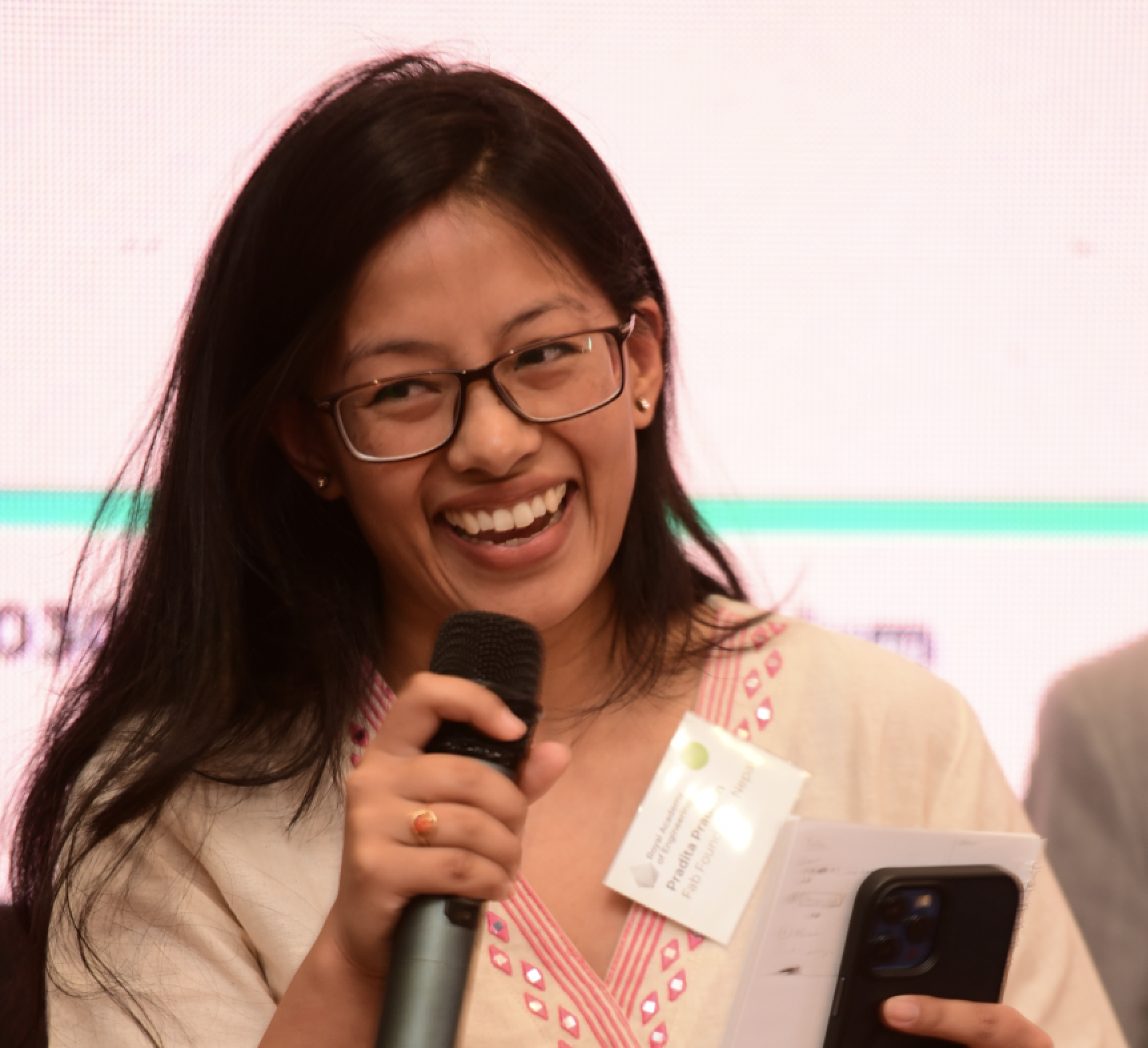
Awardees:
- Pradita Pradhan, Fab Foundation Nepal (lead applicant)
- Amit Ratna Bajracharya, Limb Care Nepal Pvt. Ltd, Nepal
- Radhika Shrestha, Nepal
In Karnali Province, one of Nepal’s most remote and underserved regions, the lack of rehabilitation and AT services severely limits mobility and independence for many residents. This project will establish a locally operated Prosthetic and Orthotic unit that uses digital fabrication, including 3D printing, to produce affordable, high‑quality assistive devices. By training local technicians and engaging technical students in design and co‑creation, the project strengthens health systems, boosts local production capacity, and reduces travel and waiting times for services.
Limb-cycle: AI-enabled affordable prosthetic sockets from recycled plastic waste (Nepal)
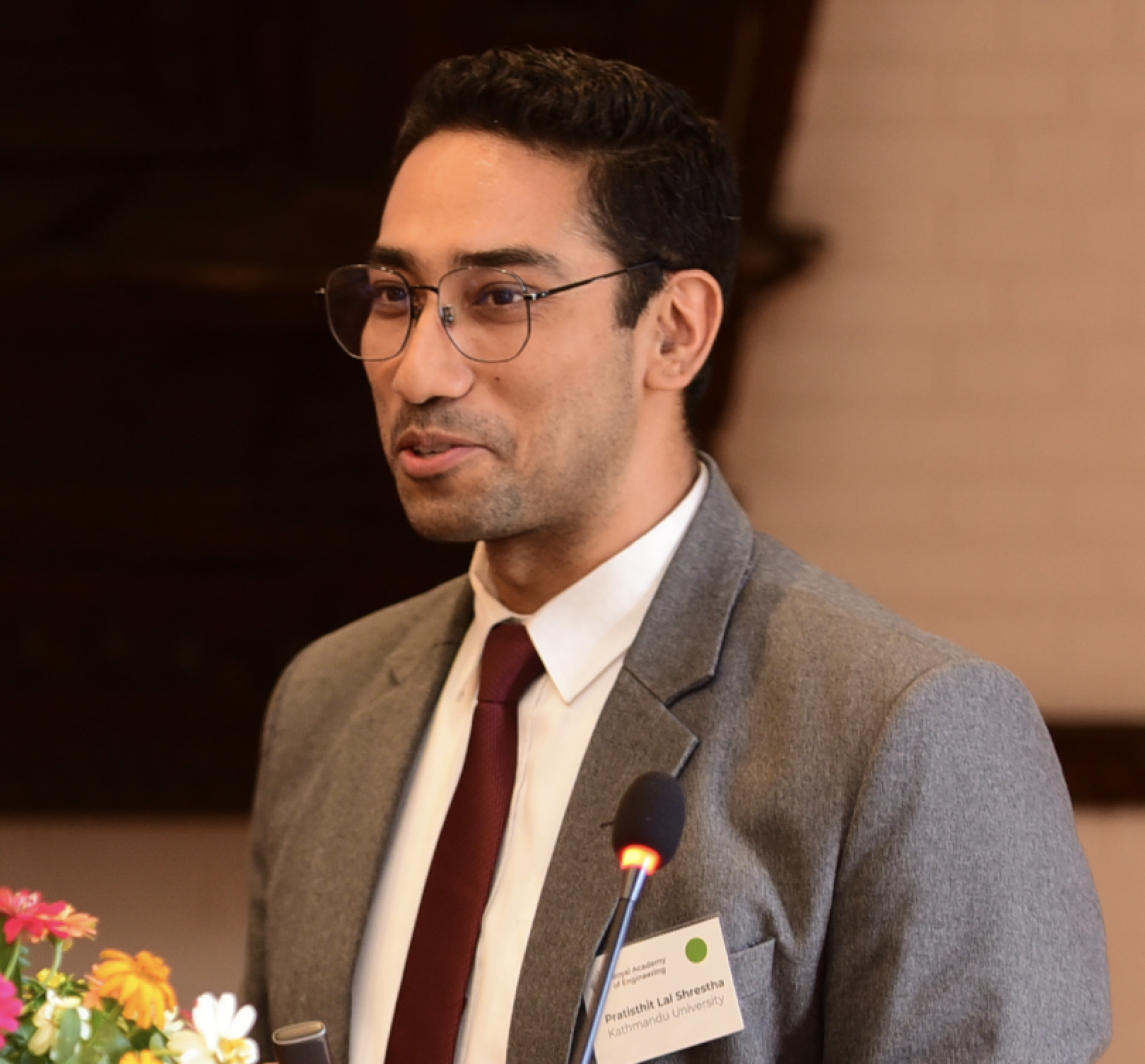
Awardees:
- Dr Pratisthit Lal Shrestha, Kathmandu University, Nepal (lead applicant)
- Amit Ratna Bajracharya, Limb Care Nepal Pvt. Ltd, Nepal
- Dr Yogeshvaran Ramanathapuram Nagarajan, De Montfort University, UK
- Amrita Lama, Limb Care Nepal Pvt. Ltd, Nepal
- Strena Shrestha, Nepla Fil Pvt. Ltd., Nepal
- Raju Shrestha, Nepal
- Amit Gupta, Nepal
- Arya Ghimire, Design Lab, Kathmandu University, Nepal
- Dr Surendra Sujakhu, Kathmandu University, Nepal
The Limb‑cycle project increases access to affordable, custom‑fit prosthetic sockets in Nepal and other low‑resource settings by using AI‑driven design and utilising domestic and industrial waste plastics. Using limb scans captured through mobile apps or scanners, the project’s AI tool will generate clinically accurate socket models without the need for costly manual casting, while locally sourced upcycled 3D‑printing material will reduce costs and environmental impact. The expected impact includes reducing prosthetic costs by up to 90%, lowering plastic pollution, and empowering local communities in assistive technologies innovation.
Care and play: inclusive educational kits for autism and neurodiversity – building empathy and learning for every child (Nepal)
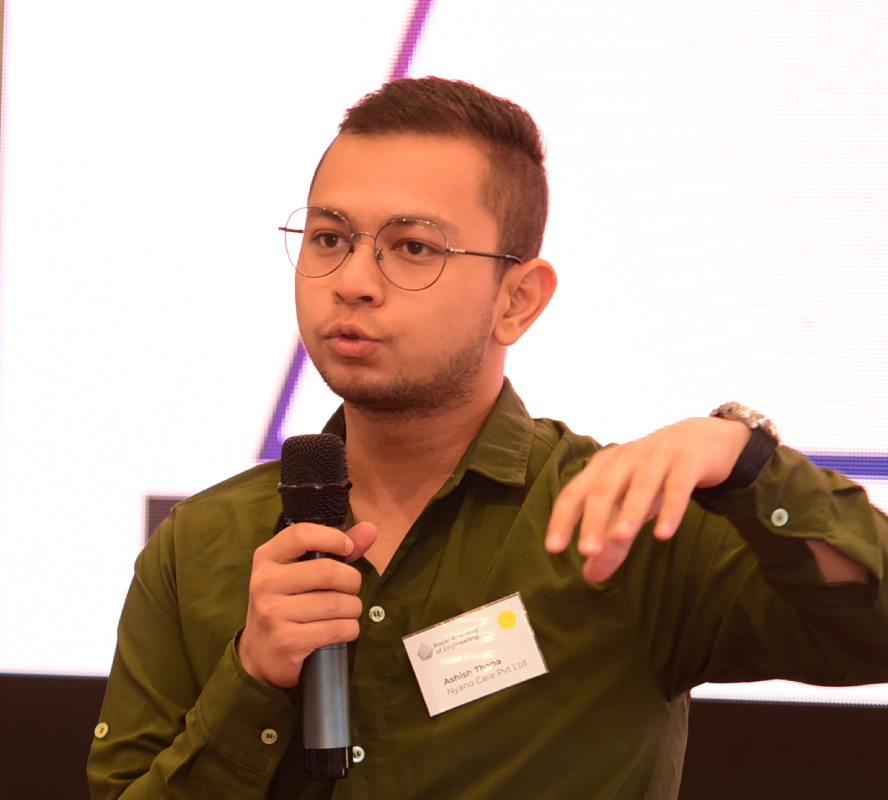
Awardees:
- Ashish Thapa, Nyano Care Pvt Ltd, Nepal (lead applicant)
- Ganga Gurung, Bloom Park Clinic, Nepal
- Tshering Wangzom, Jigme Namgyel Wangchuck Super FabLab, Bhutan
- Professor Rosie Gowran, University of Limerick / the Health Service Executive, Ireland
- Sagar Gurung, Bloom Park Pvt. Ltd, Nepal
- Dr Michelle O’Donoghue, University of Limerick, Ireland
An estimated 300,000 children live with autism in Nepal. Yet the system remains constrained: children have limited access to affordable, culturally relevant support tools, while imported technologies remain expensive and disconnected from local needs. To address this, the project aims to co-create inclusive, play-based educational kits that blend therapy and play. These tools will be co‑designed with therapists, educators, parents, and local makers to be usable not only in clinics, but also at home, in schools, and within communities. The initiative seeks to strengthen Nepal’s local AT ecosystem, demonstrating that inclusive technologies can be designed, manufactured, and sustained locally.
Empowering independence through local Assistive Technology innovation for persons with disability due to spinal injury (Nepal)
Awardees:
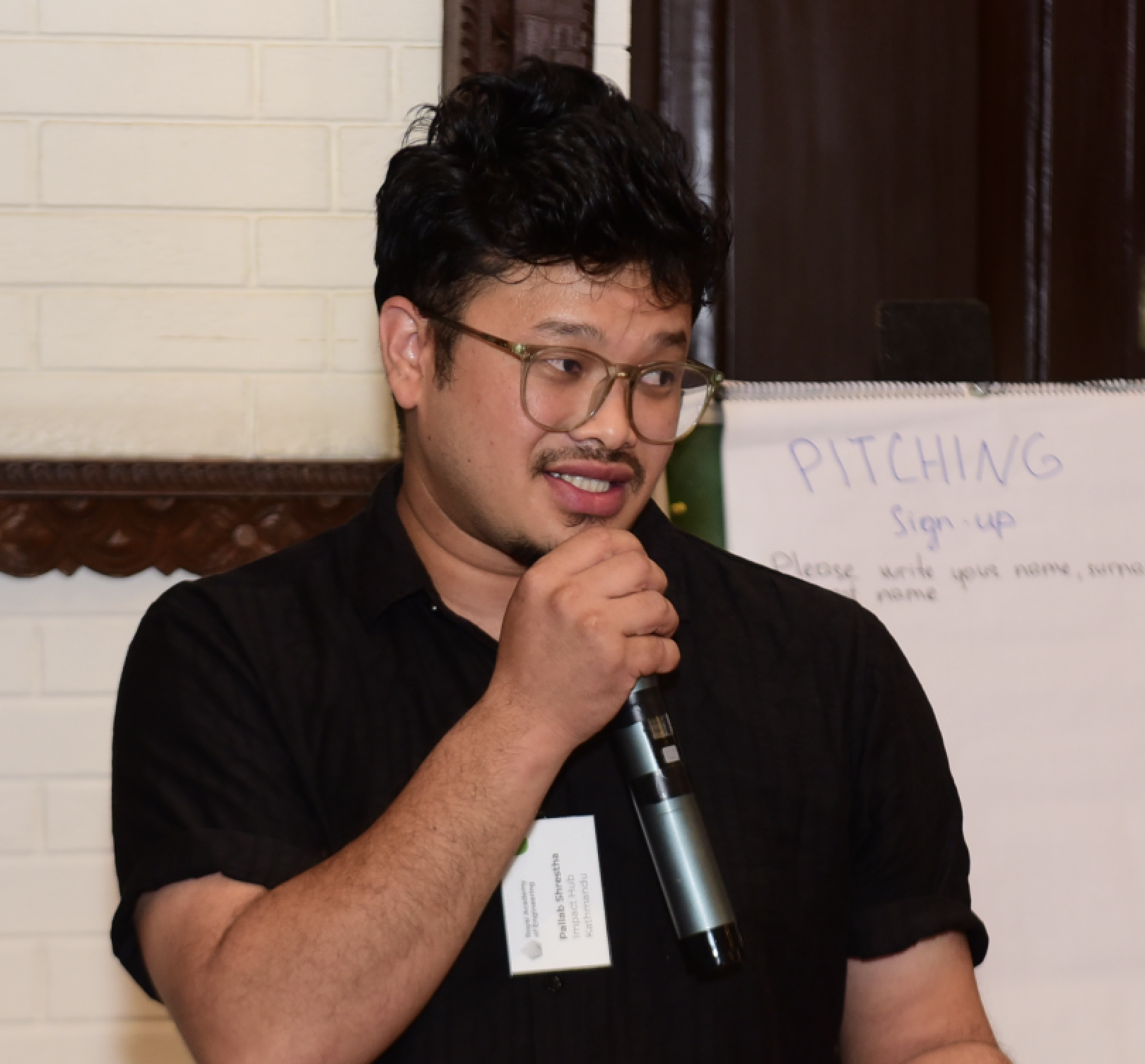
- Pallab Shrestha, Impact Hub Kathmandu, Nepal (lead applicant)
- Dr Raju Dhakal, Spinal Injury Rehabilitation Centre, Nepal
- Denjing Tamang, Impact Hub Kathmandu | FabLab Nepal
People with spinal injuries in Nepal often lack access to affordable, customised assistive devices, relying on expensive imports that don’t fully meet their needs. To address this, FabLab Nepal and the Spinal Injury Rehabilitation Centre (SIRC) are partnering to design and locally fabricate adaptive devices and therapy tools tailored to users at SIRC. Using a participatory, human‑centred design approach, solutions will be co‑created with users, occupational therapists, and prosthetics and orthotics specialists to ensure safety, functionality, and real‑world relevance. The project aims to promote locally made solutions and foster a more inclusive Assistive Technology ecosystem in Nepal.
Symbiotic leadership in Assistive Technologies; Upskilling women with disability advocates as inclusive design and systems innovation leaders in low-resource settings (Nepal)
Awardees:
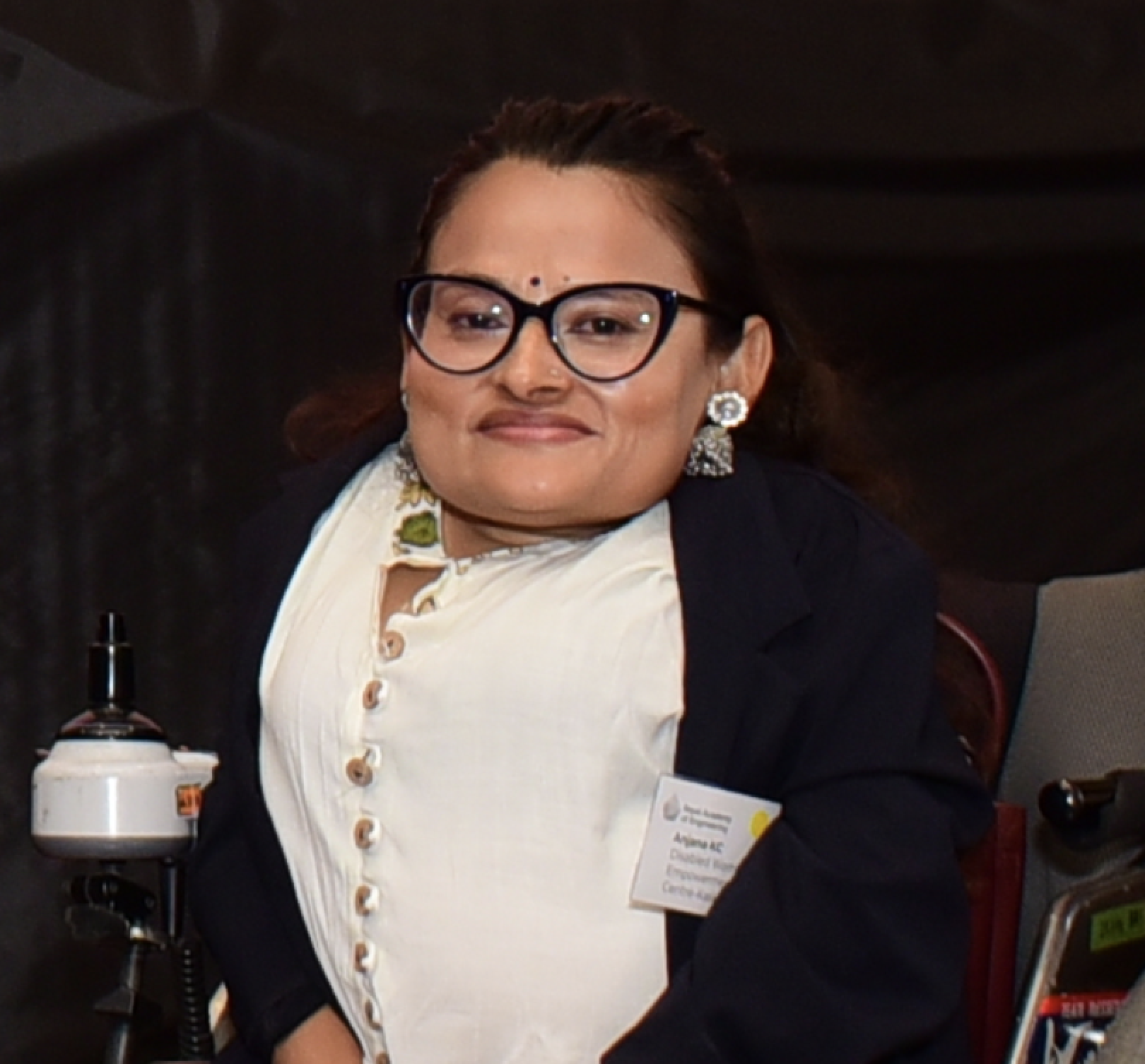
- Anjana K.C., Disabled Women Empowerment Center-Kaski, Nepal (lead applicant)
- Suvasini Shrestha, Rainbow Disability Nepal
- Dr Farnaz Nickpour, University of Liverpool, UK
- Promina Shrestha, Virangana Collective, Nepal
- Dr Cara Shaw, The Accessibility Institute, UK
- Siobhan Riordan, Learning Communities Network, UK
In Nepal, access to AT is limited, fragmented and largely charity-driven - leaving many people with disabilities, especially women, to face compounded barriers. Expertise and trained personnel are scarce, design rarely reflects real lives, and the voices of those who understand disability best are too often left out. Symbiotic Leadership in AT began as a response to this gap: training and upskilling women leaders with lived disability experience to lead change in low-resource contexts. By centring lived experience with technical expertise, this model bridges global innovation and local needs, enabling sustainable, user-driven AT solutions.
Developing sustainable wheelchair provision education and training in Nepal: a case study
Awardees:
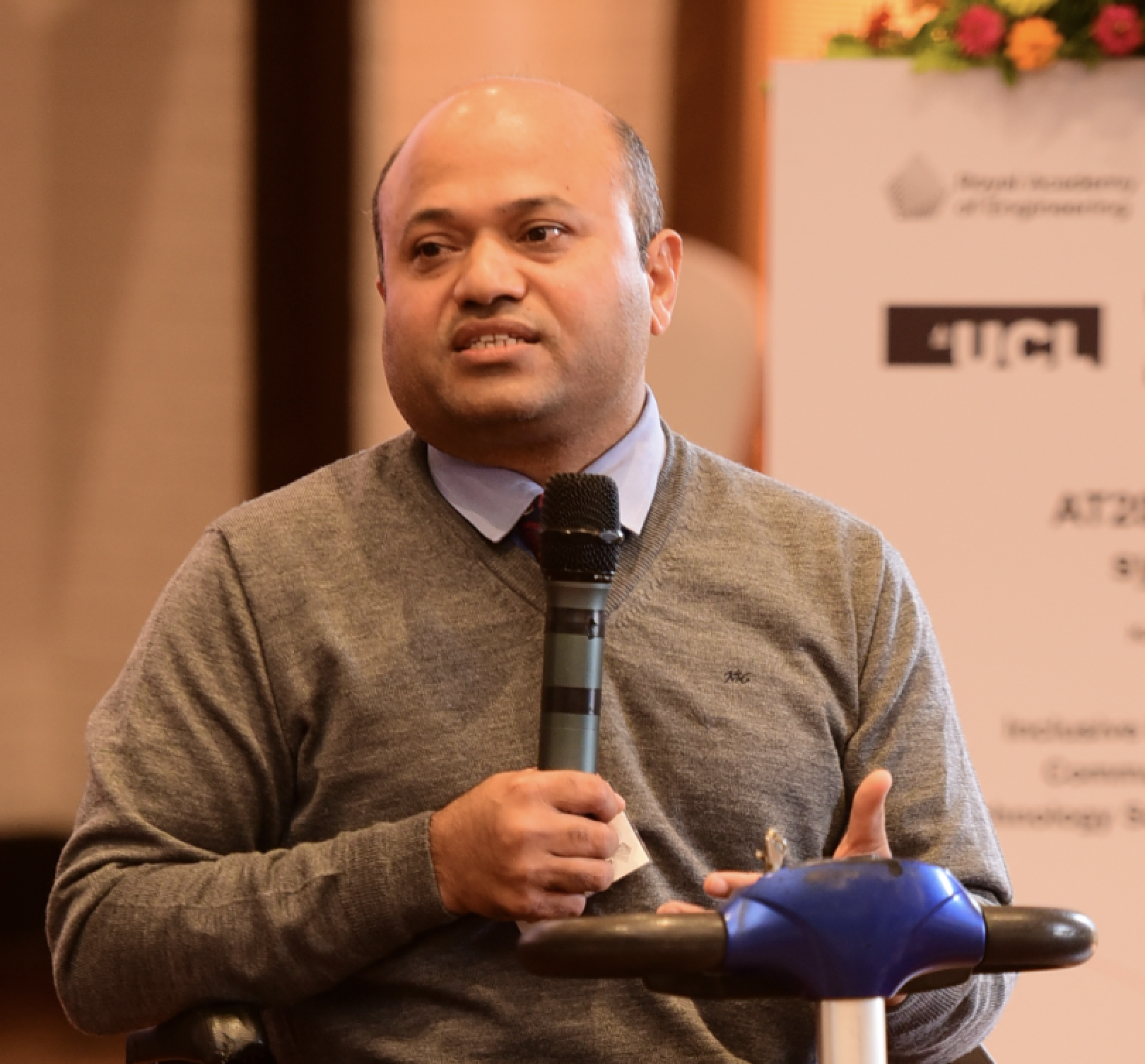
- Dr Raju Dhakal, Spinal Cord Injury Rehabilitation Centre, Nepal (lead applicant)
- Dr Mohammad (Russell) Mosayed Ullah, La Trobe University, Australia
- Professor Rosie Gowran, University of Limerick / the Health Service Executive, Ireland
- Alex Kamadu, International Society of Wheelchair Professionals, USA
- Dr Marie Abou Saab, International Society of Wheelchair Professionals, Lebanon
In Nepal, where 16% of the population has a disability, access to safe and appropriate wheelchair services remains limited. Trained specialists are few, services are inconsistent, and with no national policy or mandatory training, many users face safety risks and poorly fitted equipment. To change this, the Spinal Injury Rehabilitation Centre (SIRC) Nepal and SESOBEL Lebanon are partnering to establish the country’s first certified training programme in wheelchair provision, using WHO‑designed and ISWP‑accredited materials. Through this programme, health and social care professionals will gain the skills, confidence, and human‑rights‑based approach needed to deliver high‑quality wheelchair services. The initiative aims to build sustainable, home‑grown expertise that strengthens mobility, dignity, and quality of life for wheelchair users across Nepal.
Integrated soft sensor system for haptic feedback in bionic hands (Tunisia)
Awardees:
- Arafet Toubib, Cure Bionics, Tunisia (lead applicant)
- Dr Carmen Salvadores Fernandez, UCL, UK
- Dr Rohit Gupta, UCL, UK
- Justin Alpha, Royal Free Hospital, UK
- Dr Gayathri Rajeswari, UCL, UK
- Dr Nikolaos Salaris, UCL, UK
- Maryam Javidan, UCL, UK
- Mohamed Dhaouafi, Cure Bionics, Tunisia
- Zahra Boukadida, Cure Bionics, Tunisia
- Bechir Yacoubi, Cure Bionics, Tunisia
More than 30 million people worldwide need prosthetic limbs, yet access to affordable and functional devices remains limited, especially in low- and middle-income countries. This project aims to transform accessibility and user experience by developing and validating ultra-soft, sensorised prosthetic hands that combine advanced sensing with low-cost materials and user-led design. The long-term impact is improved quality of life, independence, and social inclusion for people with limb loss, while advancing equitable assistive technology innovation globally.
MakerKo: a community-driven digital platform for AT makers and innovators in the Himalayas (Nepal, Bhutan)
Awardees:
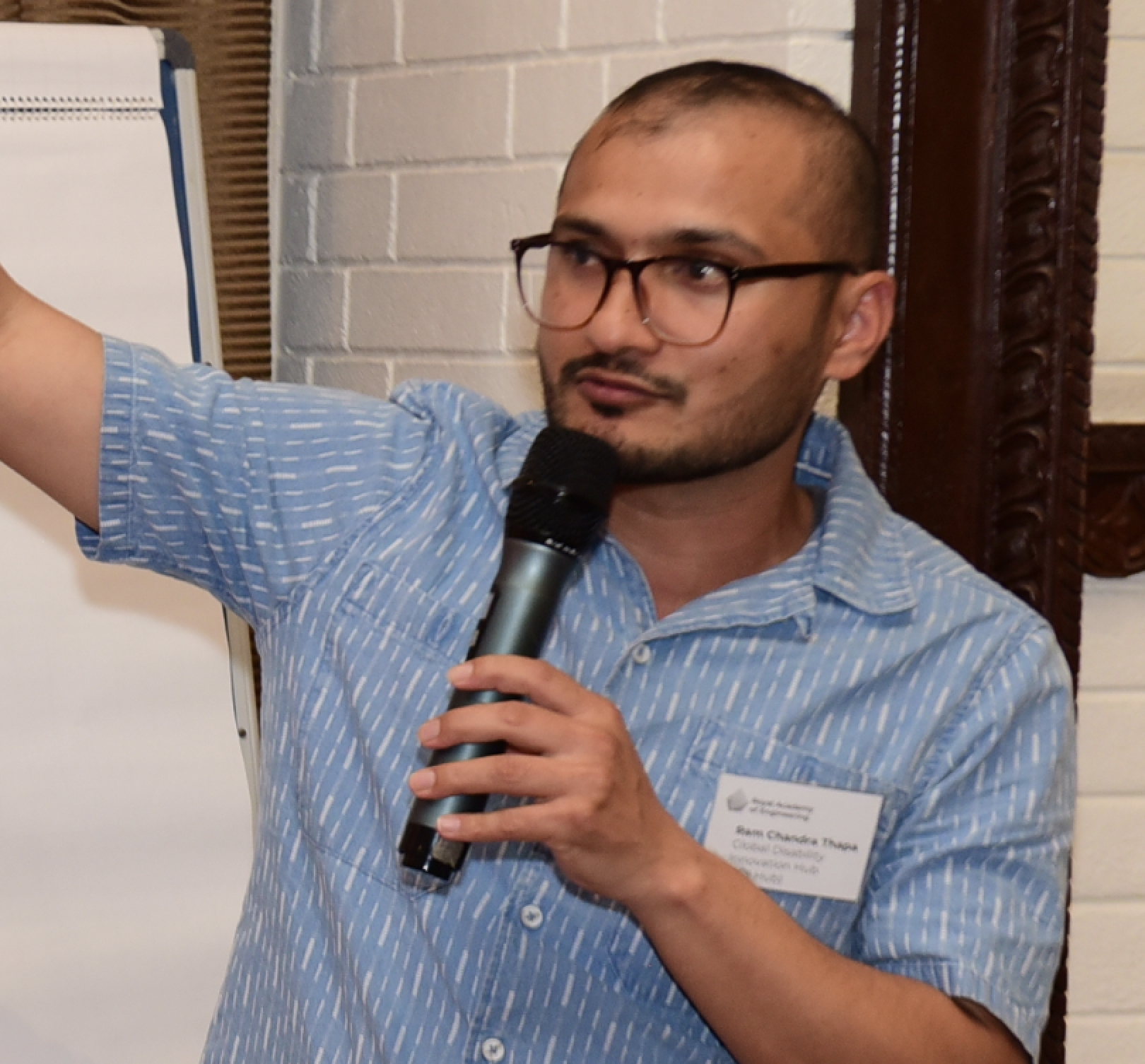
- Ram Thapa, Makerko International, Nepal (lead applicant)
- Mijash Adhikari, Makerko, Nepal
- Tshering Wangzom, Jigme Namgyel Wangchuck Super Fab Lab / Druk Holdings and Investments, Bhutan
- Sanjay Bahadur Singh Thakuri, National Innovation Center, Nepal
- Andrew Lamb, Internet of Production Alliance, Australia
- Pradita Pradhan, Fab Foundation Nepal, Nepal
In Nepal and Bhutan, access to AT remains limited due to geographic barriers, low awareness, and underdeveloped service ecosystems. Local AT makers and service providers often lack visibility and digital tools to connect with users, while people with disabilities face challenges in accessing appropriate and affordable solutions. To address these gaps, the project aims to collaboratively design, develop, and launch MakerKo, a locally led digital platform that connects AT stakeholders across both countries. The goal is to enhance access to AT services and foster innovation through inclusive, community-driven approaches.
Inclusive co-design sprint: building design frameworks for accessible learning platforms for AI education through youth innovation in Viet Nam.
Awardees:
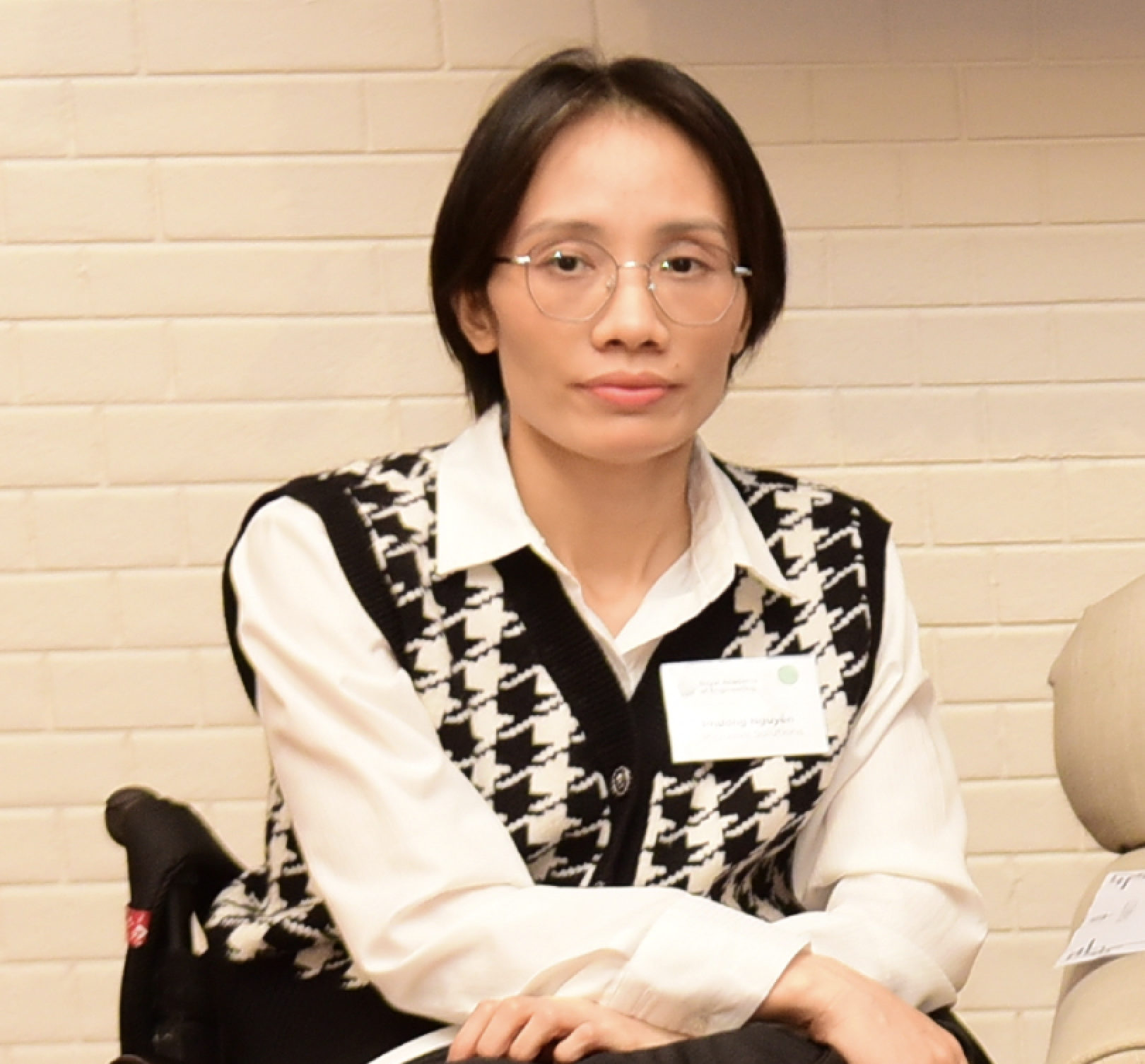
- Phuong Nguyen, Inclusive Solutions, Vietnam (lead applicant)
- Tuyet Ngo, Inclusive Impact Asia, Vietnam
- Nayeon Cho, Inclusive Impact Asia, Vietnam
- I Made Wikandana, Inclusive Impact Asia, Vietnam
Rapid digital transformation in Southeast Asia outpaces inclusion, excluding many young people with disabilities from opportunities in design, engineering, and education. Universities and EdTech systems lack pathways for accessible innovation. This project bridges these gaps by organising a two-month Inclusive Co-Design Sprint in Vietnam. Interdisciplinary teams of students with and without disabilities will co-create and test accessible digital learning solutions for AI education. Through training, mentorship, and prototyping, teams will deliver practical outputs and establish a replicable framework for inclusive digital education, strengthening local capacity for equitable digital transformation.