Blog Posts
-
What needs to change to get more funding to OPDs?
Harrison KamauOct. 2, 2026GlobalCase Studies and ReportsThis webinar brought together OPDs, funders and civil society to discuss the barriers & pressures experienced across the funding ecosystem, share practical advice, & define what individuals and organisations can commit to, to strengthen the system. For those that fund, or are considering funding, disability‑inclusive work, this webinar convenes leading actors across disability‑inclusive development to share practical lessons on how to create stronger, more effective pathways for funding the meaningful participation of OPDs.
-
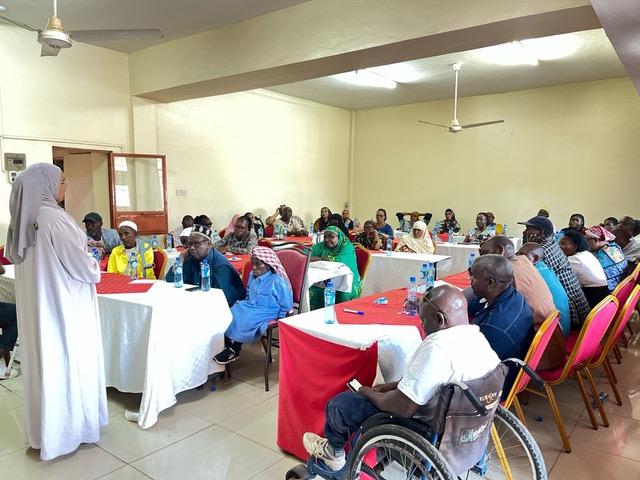
GDI Hub's work to build a funding system that works for disability led impact
Pollyanna WardropAug. 28, 2026GlobalThis blog explores the importance of identifying where funding systems block OPDs from participating and determining how those barriers can be dismantled so OPDs can play a central role in shaping legislation, policies, and decisions affecting persons with disabilities.
-
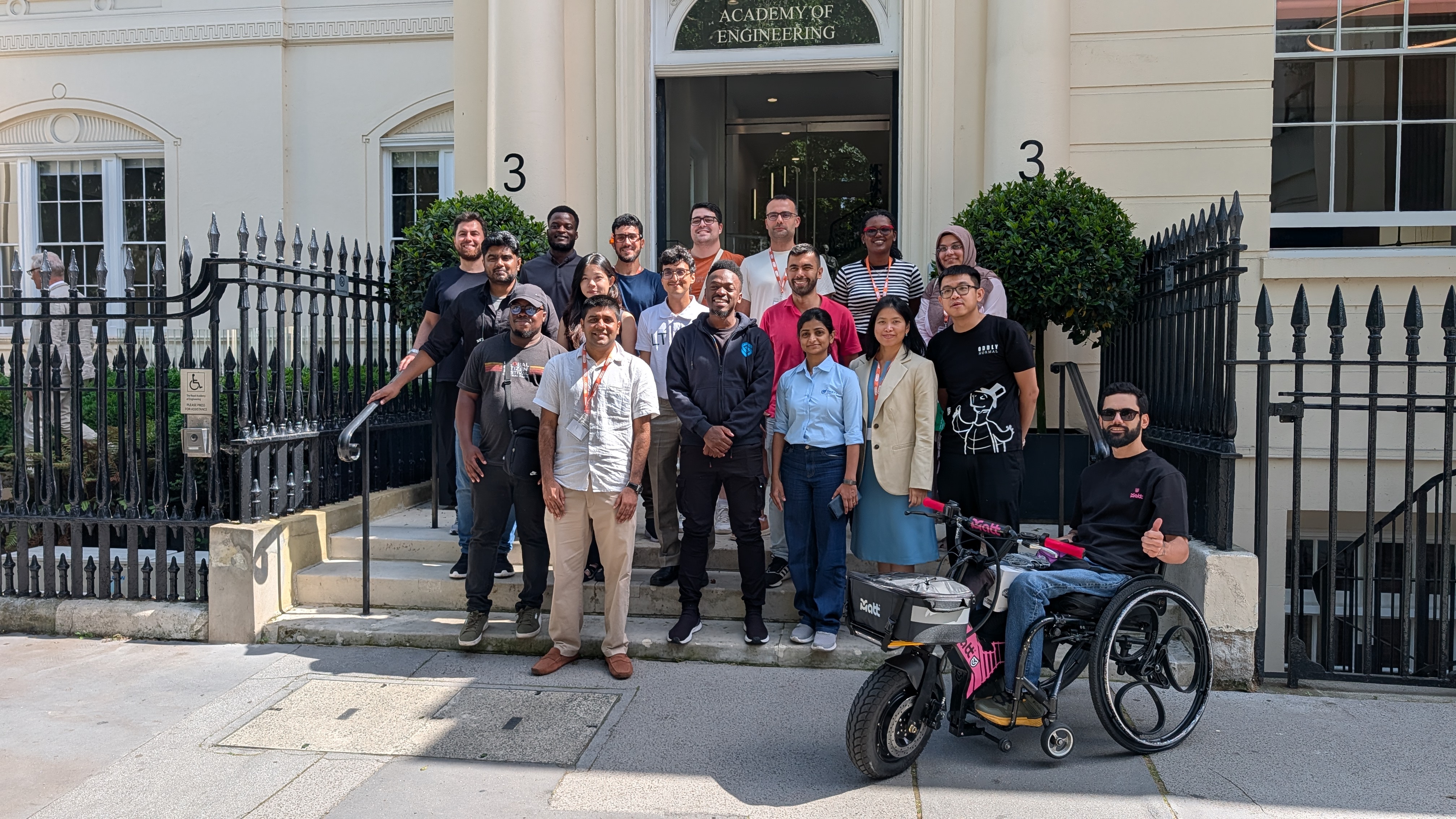
Advance Cohort of 2026
Global Disability Innovation HubJuly 7, 2026United KingdomCase Studies and ReportsAdvance 2026 is an annual global innovation accelerator led by the Royal Academy of Engineering. This year, in partnership with the Global Disability Innovation Hub’s UK International Development-funded AT2030 programme, the accelerator is addressing accessibility and assistive and inclusive technologies as founders tackle real-world challenges across healthcare, education, manufacturing and sustainability.
-
WHO–UNICEF assistive technology workshop in Nairobi.
Maryam BandukdaJune 23, 2026KenyaAT2030 ResourcesDr Maryam Bandukda, Global Disability Innovation Hub. Reflections on the WHO–UNICEF Accelerating Access to Assistive Technology African Region workshop, Nairobi, 9–11 June 2026.
-
Disability Inclusion and Innovation for Clean Energy Access: Embracing Co-Design and Collaboration
Global Disability Innovation HubJune 18, 2026KenyaIn April 2026, the Transforming Energy Access (TEA) platform convened 40 members in Nairobi, Kenya, including people with disabilities, representatives from organisations of persons with disabilities (OPDs), TEA partners, and disability innovators for a hands-on workshop titled ‘Co-Designing Disability-Inclusive Energy Access’. Designed and delivered by the Global Disability Innovation (GDI) Hub, London, with Senses Hub, Nairobi, as the local engagement partner, a series of interactive sessions explored key needs, barriers, and opportunities to maximise the impact of the clean energy transition for people with disabilities.
-
Addis Ababa at World Urban Forum 13
Shivani GuptaJune 10, 2026AzerbaijanFor the Global Disability Innovation Hub (GDI Hub), participation in the WUF is important for sharing our work and learning from others about inclusive cities. Considering our ongoing Inclusive City Pilot Project in Addis Ababa, this year we invited and supported the participation of Abayneh Gujo, Executive Director of the Federation of Ethiopian Associations of Persons with Disabilities, and Mahmoud Kedir Reshid, Persons with Disabilities Social Rehabilitation Senior Expert at the Ministry of Women and Social Affairs of Ethiopia, to accompany the GDI Hub delegation at World Urban Forum 13 in Baku, Azerbaijan.
-
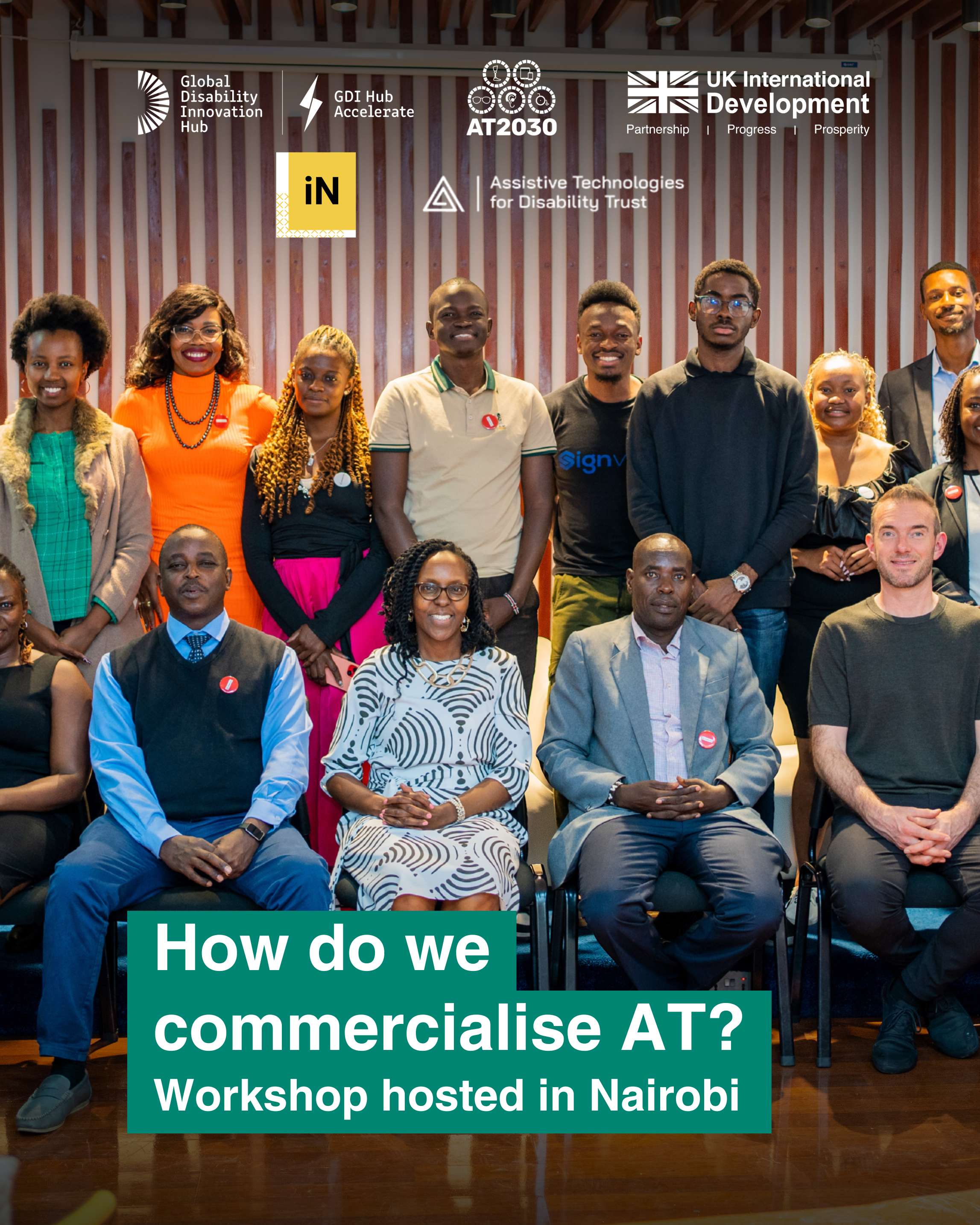
Bringing assistive technology to market in Kenya
Harrison KamauApril 28, 2026KenyaCase Studies and ReportsOn 14 April 2026, GDIHub convened an AT Commercialisation Workshop at Senses Hub in Kenya. The goal was blunt: to map the four systems that determine whether an assistive technology product ever reaches people living with speech impairments and the broader disability community or stalls somewhere between customs and a tender committee.
-
The ‘third wheel’: bringing sustainable e-mobility to wheelchair users in Nairobi
Annamae MuldowneyApril 14, 2026KenyaCase Studies and ReportsIn Kenya, 42% of people with disabilities face mobility challenges, yet the country's urban environments remain largely inaccessible. That’s around 400,000 citizens with mobility impairments tackling uneven roads, inadequate public transport, and inaccessible infrastructure, becoming further isolated. Addressing these gaps is crucial to creating an inclusive, accessible future in Nairobi. This is the mission we’re working to on our pilot project: Smart Mobility.
-
What We Learned Running Inclusive AI Innovation Sprints in Africa (And What We’d Do Differently Next Time)
Global Disability Innovation HubMarch 31, 2026Kenya, Ghana, UgandaCase Studies and ReportsOver the past year, we’ve been running a series of innovation sprints focused on inclusive AI for speech technologies in Africa — first in Ghana, then in Kenya, and now beginning in Uganda. The goal was simple to state, but harder to achieve: to support local innovators to build meaningful solutions for people living with speech impairments, using AI and speech technologies that actually reflect local languages, contexts, and lived realities. What we learned along the way wasn’t just about models, datasets, or apps. It was about how innovation actually unfolds when you put real people, real constraints, and real expectations into the room.
-
How Digital Skills Are Rewriting the Story of Disability-Led Organisations in Rural Kenya: Paul Olan’g
Harrison KamauMarch 30, 2026KenyaOlan'g is the founder and Executive Director of the Kenya Disabled Information Advisory Centre (KEDIAC) a community-based organisation working with persons living with various forms of disability in Nyando Sub-County, Kisumu County. KEDIAC works across 25 individual members and 15 affiliated disability groups, reaching an estimated 600 people across the region.
-
How Digital Skills Are Shifting Power for Women Living with Disabilities in Kisumu.
Harrison KamauMarch 30, 2026KenyaCase Studies and ReportsCaroline Oreo founded Semi Forum for Women with Disabilities to address precisely these gaps. The Forum brings together women living with various forms of disability from across the sub-county, organising them around shared advocacy, peer support, and critically a table banking model in which members pool savings of KES 3,000 per person to build collective financial capacity. Caroline also coordinates with affiliated disability self-help groups across multiple sub-locations, connecting members who would otherwise remain isolated.
-
Inclusive and Resilient Addis Ababa – A Vision in the Making
Mikaela Patrick, Shivani Gupta, Bala NagendranMarch 30, 2026EthiopiaAT2030 ResourcesThe Global Disability Innovation Hub (GDI Hub) under the UK International Development-funded AT2030 programme and the Global Disability Fund’s (GDF) Resilient and Inclusive Cities Hub (RICH) has kicked off an inclusive city pilot in Addis Ababa, Ethiopia. Building on GDI Hub’s multi-year research in six cities globally on inclusive infrastructure, this two-year pilot project will further validate the gaps highlighted by ‘Inclusive Infrastructure and Cities: A Global Comparison Report’ and test recommendations from the ‘Delivering Inclusive Design in Cities: A Global Action Report’. This blog outlines an overview of Addis Ababa’s context, how we are building local engagement, and the way forward in understanding what shapes inclusive cities.
-

Beyond access, beyond impact – what about ‘lifechanging’ AT?
Gifty Ayoka, Dr Ellie Cole, Professor Sylvia Esther Gyan, Dr Ernestina TettehMarch 26, 2026GhanaCase Studies and ReportsWhat happens when someone receives assistive technology (AT)? The impact of AT is often only thought of as changes in functioning. This impact, while clearly important, may not capture the whole story. Another question which is asked less often: does the AT help the person to do what matters most to them? Does it enable them to achieve their goals and aspirations? We are therefore asking a simple question: how does AT become lifechanging?
-
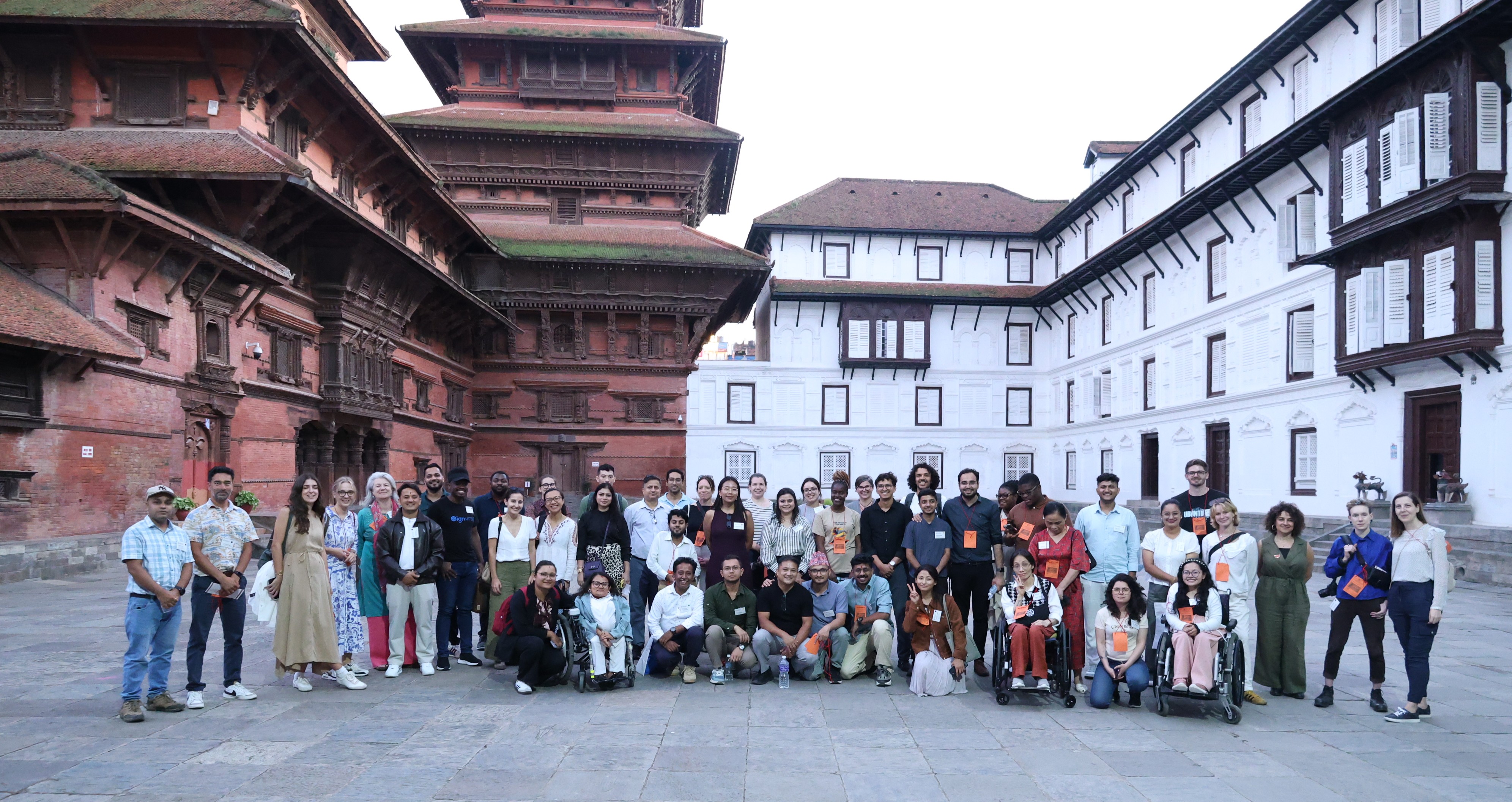
Bridging global and local innovation: Rethinking assistive technology in Nepal
Royal Academy of Engineering, Professor Nerrolyn Ramstrand, Professor Pramod ShresthaMarch 20, 2026NepalCase Studies and ReportsIn October 2025, the Academy hosted the AT2030 Frontiers Symposium event on community-led assistive technology. The event co-chairs, reflect on the experience and key learnings.
-
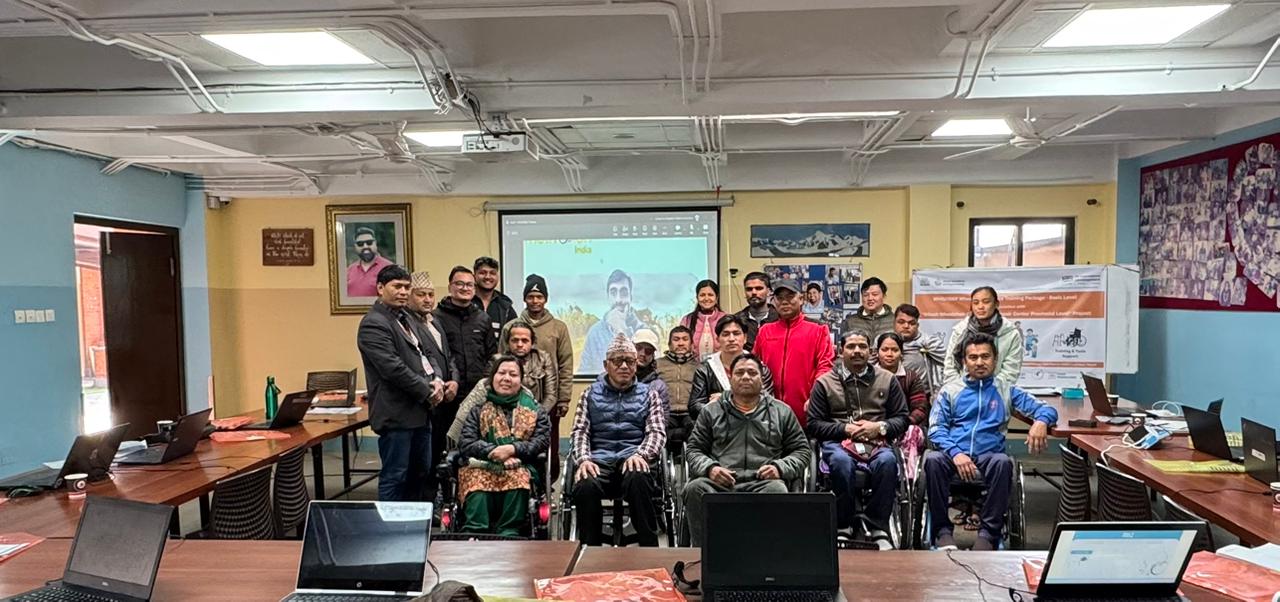
Nepal recognizes wheelchair users and people with disability to become a certified wheelchair technicians.
RAM CHANDRA THAPAMarch 4, 2026NepalCase Studies and ReportsA month long hybrid training on “Wheelchair Service Provision, Repair and Maintenance” is successfully completed in Kathmandu, Nepal. Today, representatives from the Ministry of Health and Population (Nepal), GDI Hub, ISWP, Motivation India, Centre for Disabled Children Assistance (CDCA), Sundar Dhoka Sathi Sewa (SDSS) wrapped up the training program with a closing ceremony event.
-

Beyond Ramps: Three Policy Frameworks for Disability-Inclusive Cities, Energy, and Climate Action
Bala NagendranFeb. 10, 2026GlobalThis blog summarizes key messages from Bala’s talk at Access & Opportunity Learning Lab, Session 4: Policy Frameworks to Foster Inclusion.
-
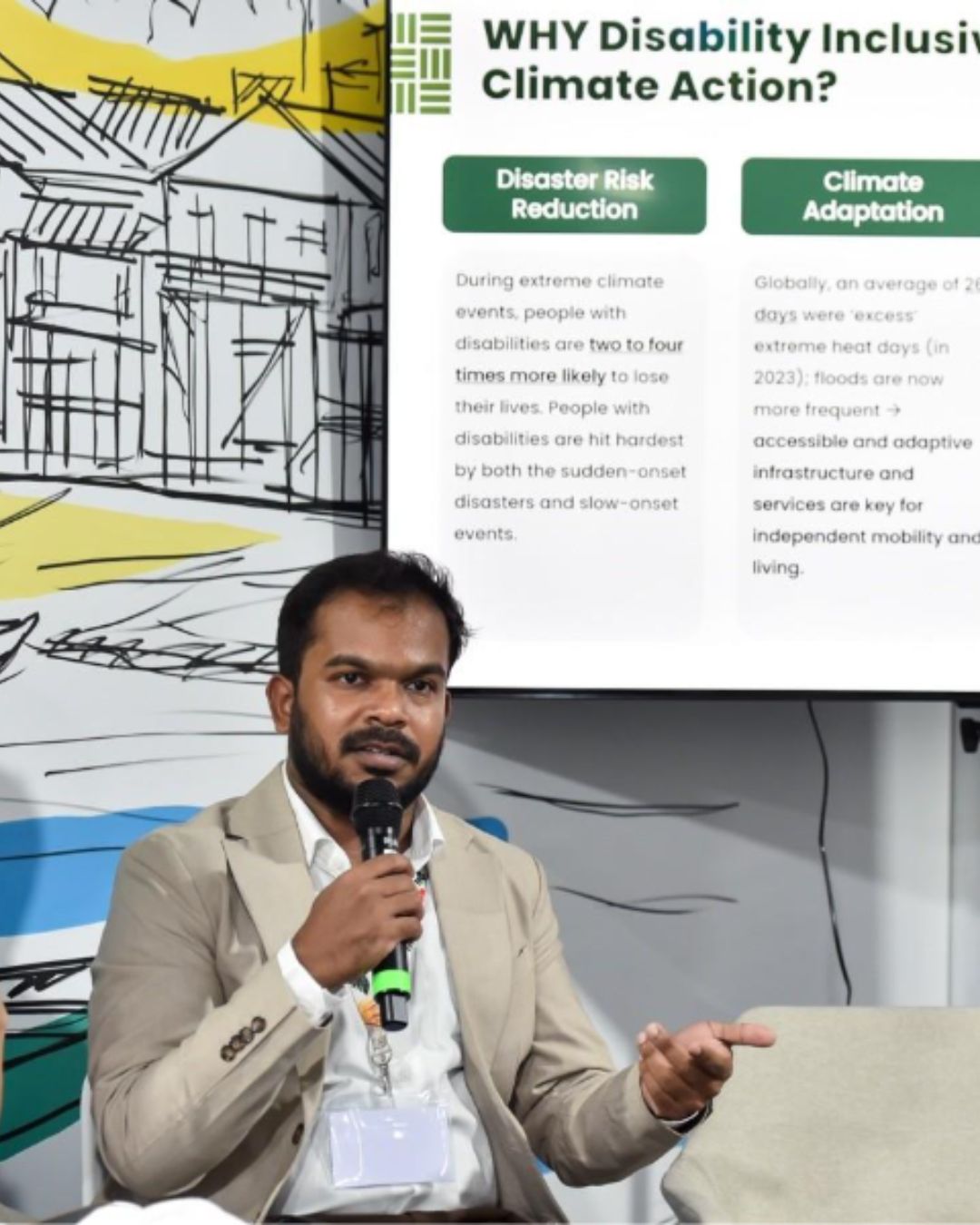
Co-Creating Inclusive and Resilient Cities: The Way Forward from COP-30 [Disability, Climate & Cities blog series]
Bala NagendranJan. 20, 2026This is the first in our new Disability, Climate & Cities blog series - reflecting on COP30 and upcoming climate research projects. Throughout our engagement across the summit, our message was clear: inclusive design and innovation as a mindset and methodology are key to implementing climate solutions that work for all, including people with disabilities, and co-creating resilient urban futures...
-
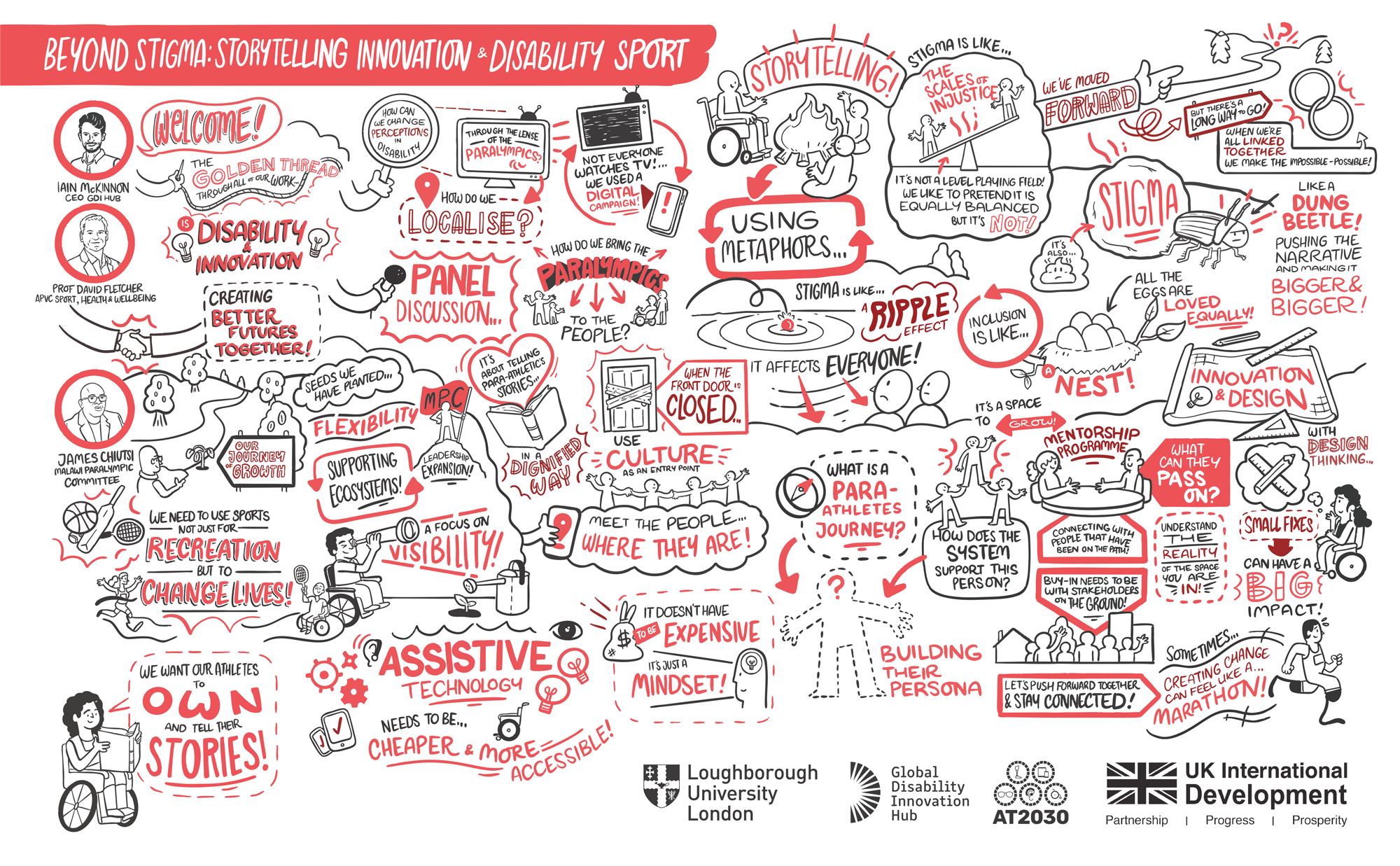
Beyond Stigma: What happens when sport, assistive technology and storytelling meet
Jennie WongDec. 30, 2025GlobalThis article reflects on the Para Sport Against Stigma AT2030 programme, as global partners, experts, innovators and advocates joined together in London to share learnings. This piece explore how change rarely comes from a single breakthrough. More often, it comes from sustained attention, and from communities willing to sit with complexity and imagine systems differently.
-
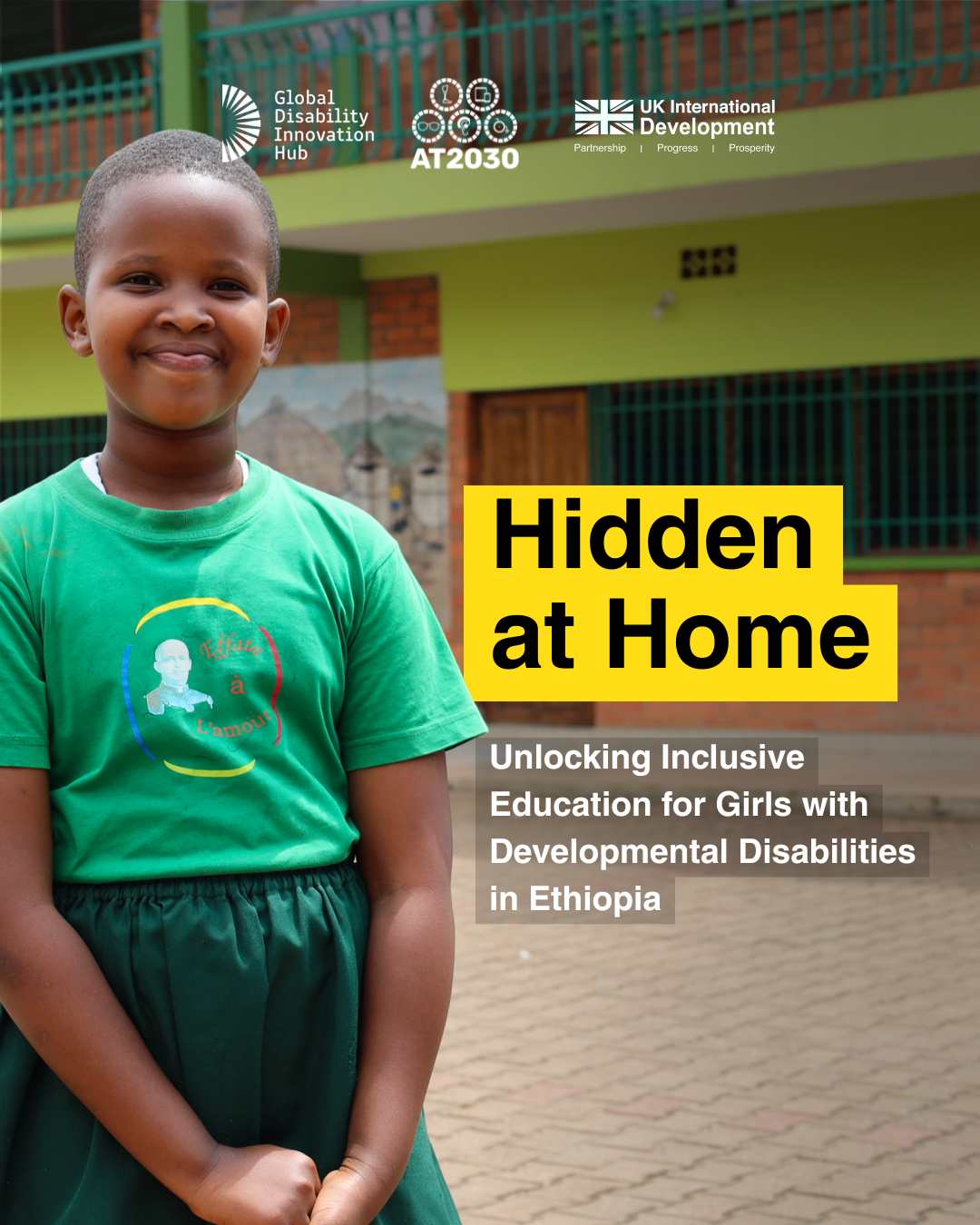
Hidden At Home: Can we Unlock Inclusive Education for Girls with Developmental Disabilities in Ethiopia
Dr Dilisha Patel, Rebecca Joskow, Regina BortoniDec. 30, 2025EthiopiaCase Studies and ReportsEthiopia has made strides in expanding access to girls’ education through national commitments to Education for All (EFA) and the Sustainable Development Goals (SDG4). However, access gaps for children with disabilities remain, as the Ethiopia’s Ministry of Education (MOE) estimated that only 11% of children with disabilities were enrolled in primary education (ESDP, 2021). While this figure refers broadly to children with disabilities, the challenges are particularly acute for girls with disabilities. Global evidence shows that “girls with disabilities are more likely to be out of school than both boys with disabilities and girls without disabilities. They are the most excluded group of learners due to multiple and intersecting forms of discrimination” (UNGEI, 2021).
-
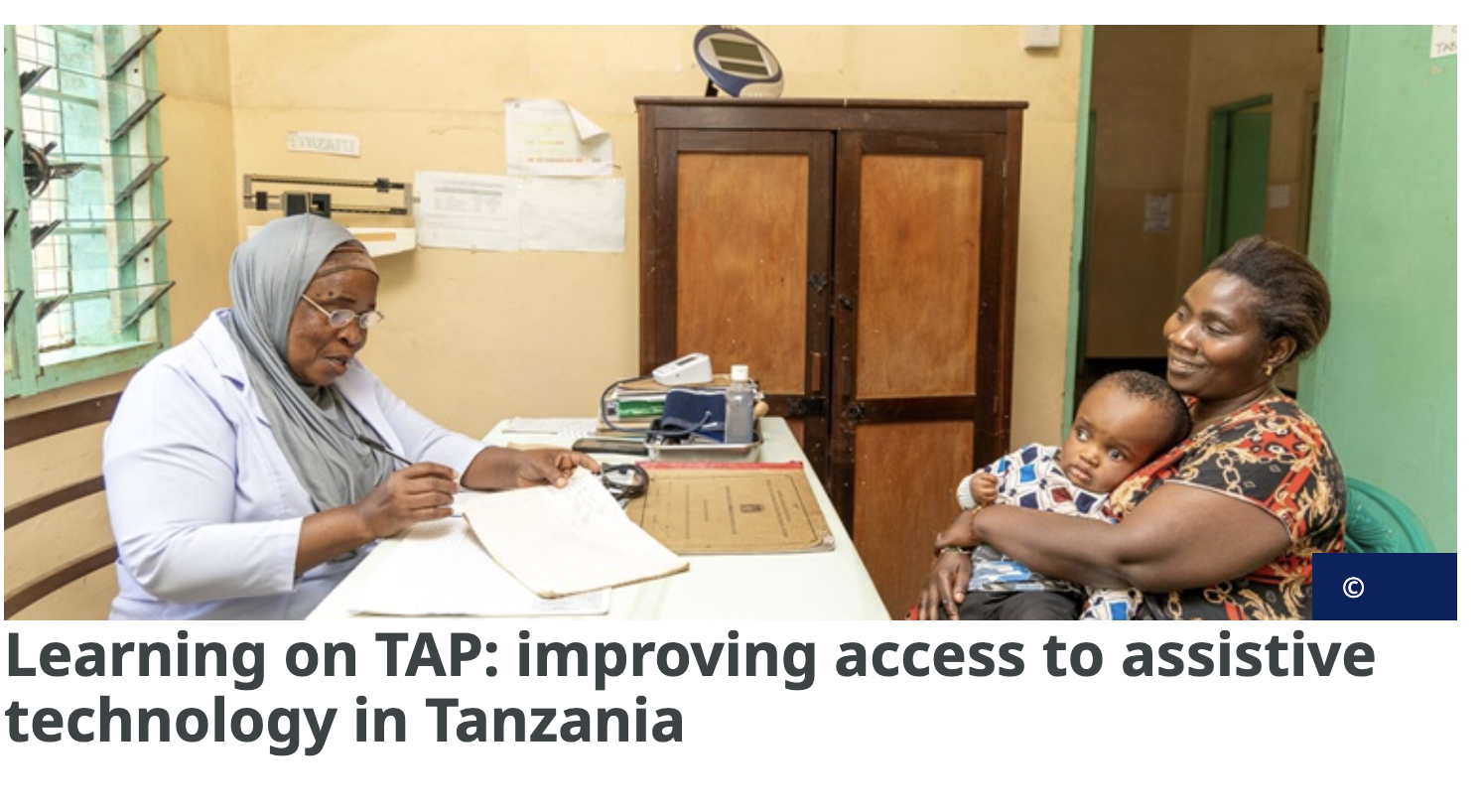
Learning on TAP: improving access to assistive technology in Tanzania
World Health OrganizationDec. 11, 2025TanzaniaCase Studies and ReportsAs a child, Dr. Msafiri Kabulwa aspired to become an electrical engineer, but as there was no advanced mathematics teacher at his high school in Tanzania, he studied physics, chemistry and biology and aspired to become a schoolteacher instead. But soon, he was enrolled in medical school where he graduated as a dental surgeon, and he was eventually posted as a tutor to dental therapists, combining his new medical knowledge and previous teaching aspirations.
Next Page