Search Our Whole site:
Just Search: Kenya
Catalysing AT access: Scaling rehabilitative services and increasing access to AT in Kenya
It is estimated that about 100,000 people need a wheelchair in Kenya annually. Across the 47 counties in Kenya, anecdotal evidence showed that health centres and access points for rehabilitative services are not evenly distributed, appropriately staffed, and sufficiently equipped. The situational analysis showed that Kenya’s access challenges are driven by a policy gap, limited service points with few trained personnel, fragmented delivery landscape, no national specifications, standards or supply chain and limited financing of rehabilitative services and wheelchairs.
Empowering Mobility in Kenya: The Journey So Far
Over the past year, we’ve built a consortium of innovators, including MATT from Colombia, NeoMotion from India, EbikesAfrica, TAI (The Accessibility Institute) and Kounkuey Design Initiative from Kenya. Each partner has contributed insights from their respective markets and communities. This global exchange of ideas, supported by the Global Disability Innovation Hub (GDI Hub) and the AT2030 programme, positioned us to launch practical trials in Kenya.
![A man in a cap and glasses smiles while holding a document. Text on the image promotes the “Disability Inclusive Futures [webinar],” exploring OPD ecosystems and capacity in Kenya and Pakistan. Cover Image](/static/website_creator/img/2025_LG_2.png)
Disability Inclusive Futures [webinar]: Exploring OPD ecosystems and capacity in Kenya and Pakistan
As part of the Global Disability Innovation Hub’s UK International Development funded AT2030 programme, a regional initiative has been rolled out to deepen understanding of OPD needs and priorities in Kenya and Pakistan. In Kenya, this work was delivered in partnership with the Kilimanjaro Blind Trust Africa (KBTA), and in Pakistan, by the Special Talent Exchange Program (STEP). The project included a needs assessment to understand the real-world challenges OPDs face, and capacity building to meet these identified needs.
Exploring OPD systems and capacity in Kenya and Pakistan webinar.
In this webinar we heard from Organisations for Persons with Disabilities in Kenya and Pakistan who were part of the Global Disability Innovation Hub’s UK International Development funded #AT2030programme , a regional initiative has been rolled out to deepen understanding of Organisations of Persons with disabilities (OPD) needs and priorities in Kenya and Pakistan
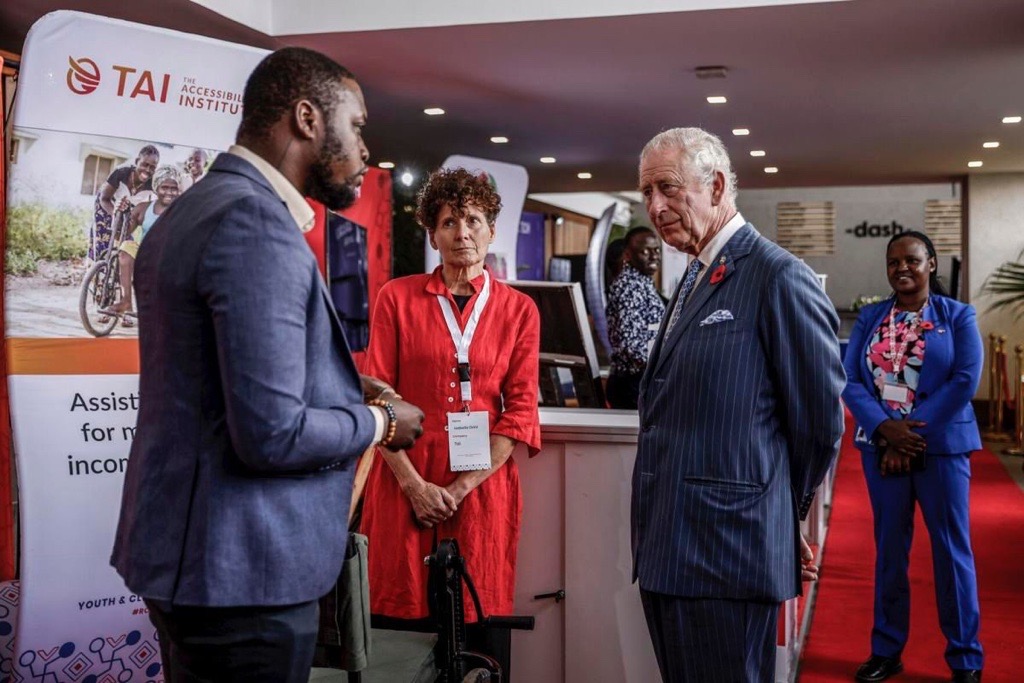
His Majesty the King concludes visit to Kenya with encouragement for Assistive Technology innovators, and meets ventures from our Innovate Now accelerator
His Majesty King Charles III recently concluded his visit to Kenya, where he met ventures from the Global Disability Innovation Hub’s Innovate Now Accelerator, Africa's first Assistive Technology Accelerator. The King's visit served as a significant boost for the Kenyan assistive technology sector, highlighting the country's leadership in developing affordable solutions for people with disabilities.
OPD Capacity Strengthening Framework (Kenya)
This framework provides a structured and evidence-informed approach to strengthening the institutional, technical, and operational capacity of OPDs in Kenya. It prioritizes the integration of Adaptive Assistive Technology (AT) as an enabler of inclusion and organizational effectiveness, while also advancing inclusive leadership and governance, strategic partnerships, sustainable resource mobilization, and accountable, results-oriented project implementation.
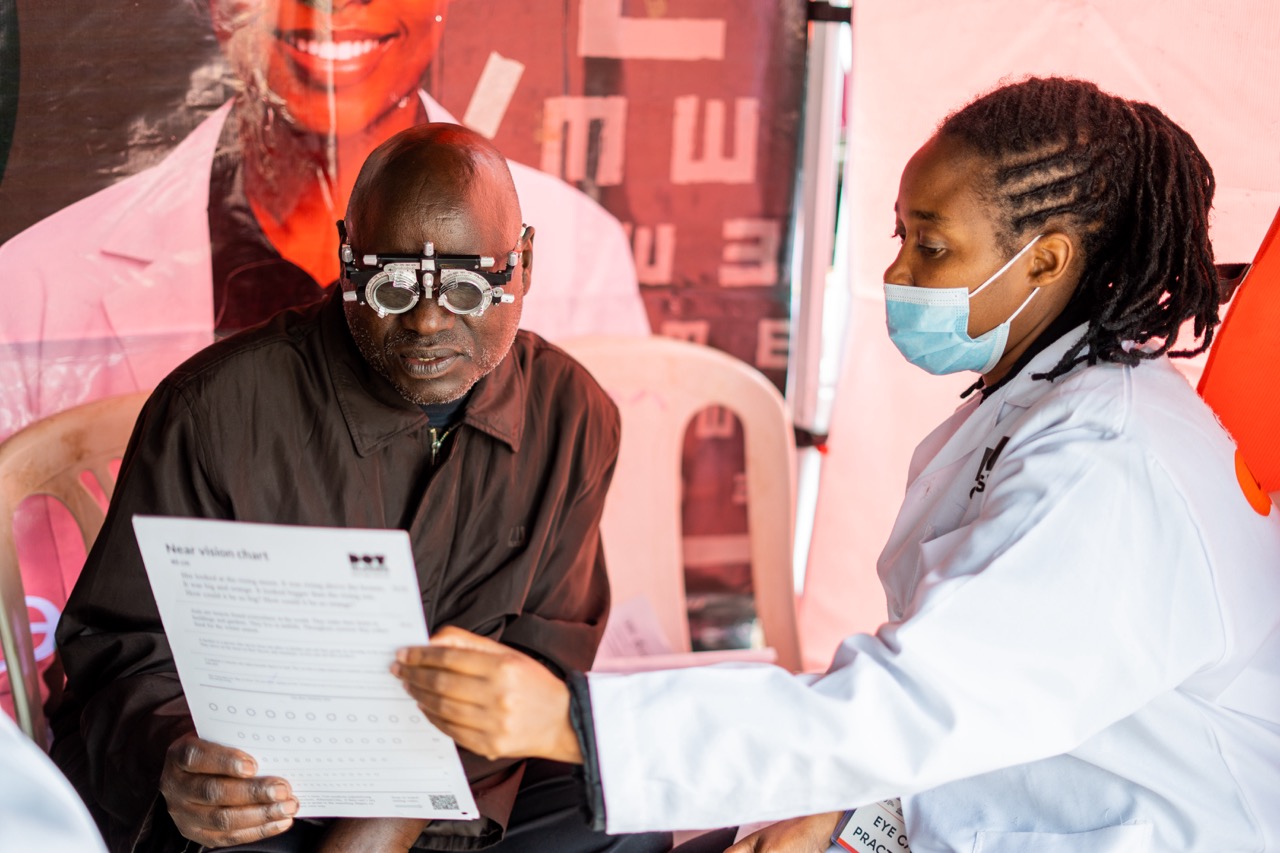
New Study Aims to Transform Eye Care Accessibility in Kenya and Beyond.
A new research study is underway to evaluate an innovative, low-cost eyeglass distribution model that could significantly expand access to vision care in underserved communities across Kenya and beyond. This study conducted in collaboration with Dot Glasses is part of the UK International Development-funded #AT2030Programme, delivered in partnership with Senses Hub. It aims to generate critical academic evidence to support the long-term scalability and sustainability of the Dot Glasses model.
Toward a Multi-layer Framework to Assess the Quality of Life Impact of Smartphones as Assistive Technology for People with Sensory Disabilities in Kenya
Recent advances in smartphone technology have elevated their potential as digital assistive technologies (AT) for blind or partially sighted (BPS) and deaf or hard of hearing (DHH) individuals. However, there is a gap in fully understanding the use of smartphones as AT and their impact on the quality of life (QoL) of BPS and DHH individuals. To address this gap, we conducted a mixed-methods longitudinal study over six months with 193 participants in Kenya. The study involved a baseline survey, smartphone digital skills training, and a follow-up survey and interviews to examine the impact of smartphones as AT. The findings emphasise the significant impact of smartphones on their quality of life, including impact on their identity and well-being, social inclusion and leisure, access to information and education, and material well-being. Building on the findings, we contribute an AT Impact Framework, which highlights the behaviours enabled by smartphones and their impact on the individual
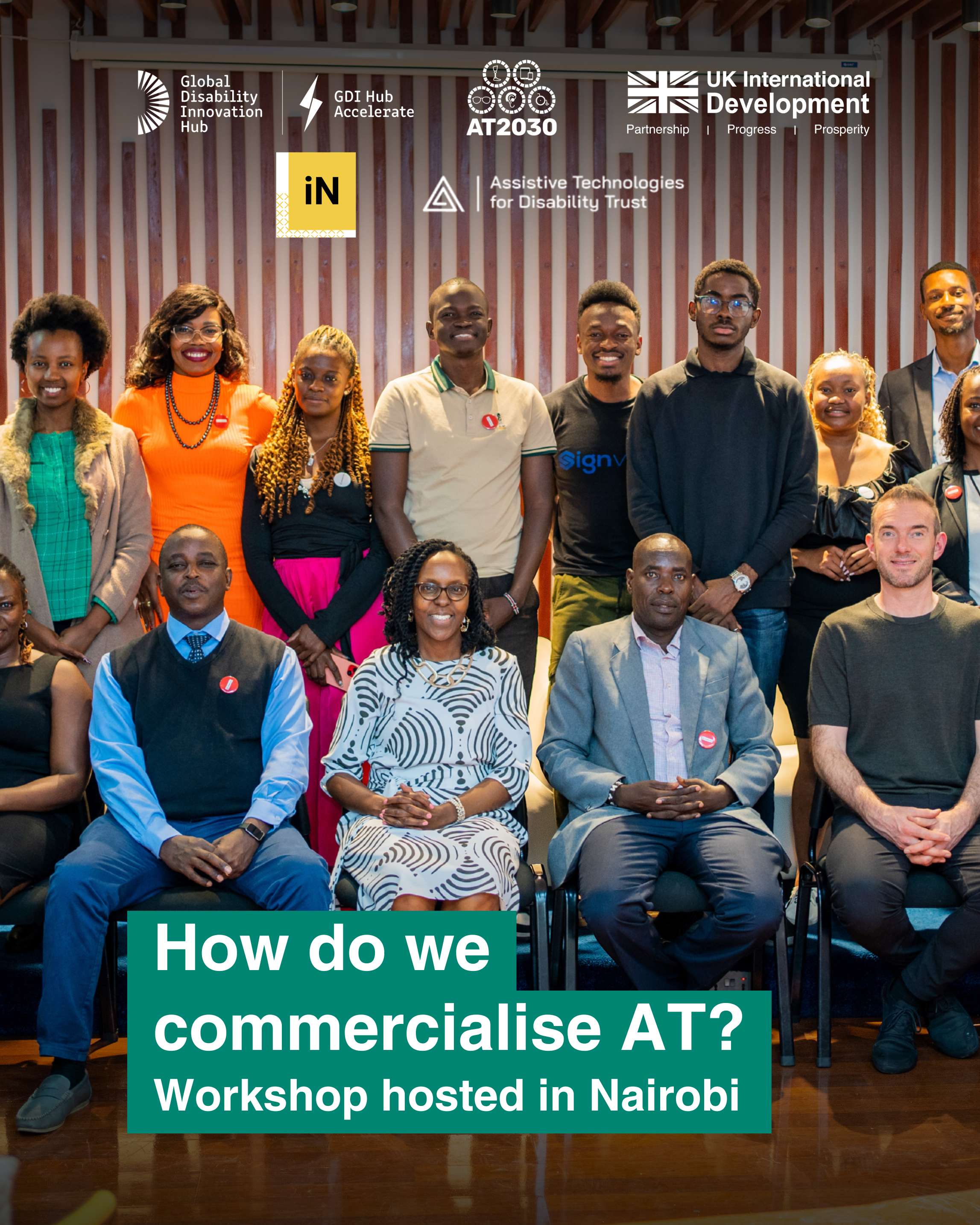
Bringing assistive technology to market in Kenya
On 14 April 2026, GDIHub convened an AT Commercialisation Workshop at Senses Hub in Kenya. The goal was blunt: to map the four systems that determine whether an assistive technology product ever reaches people living with speech impairments and the broader disability community or stalls somewhere between customs and a tender committee.
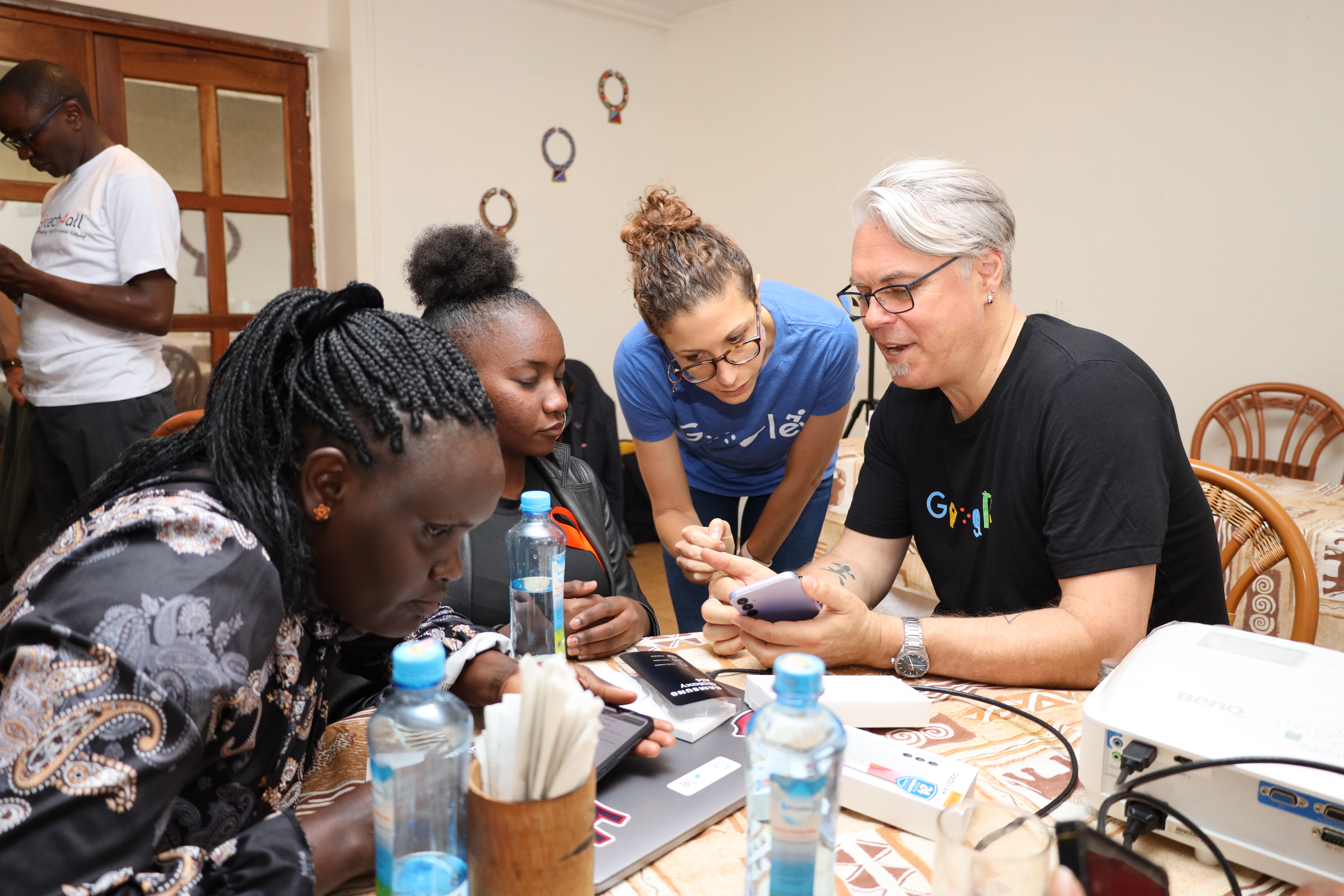
Google project to assist sight and hearing in India, Brazil, and Kenya
Mobile as Assistive Technology: How Digital Assistive Technology is Transforming Lives GDI Hub, Google and AT Scale launch pioneering project to test ‘Mobile at Assistive Tech’ in Kenya, Brazil and India.
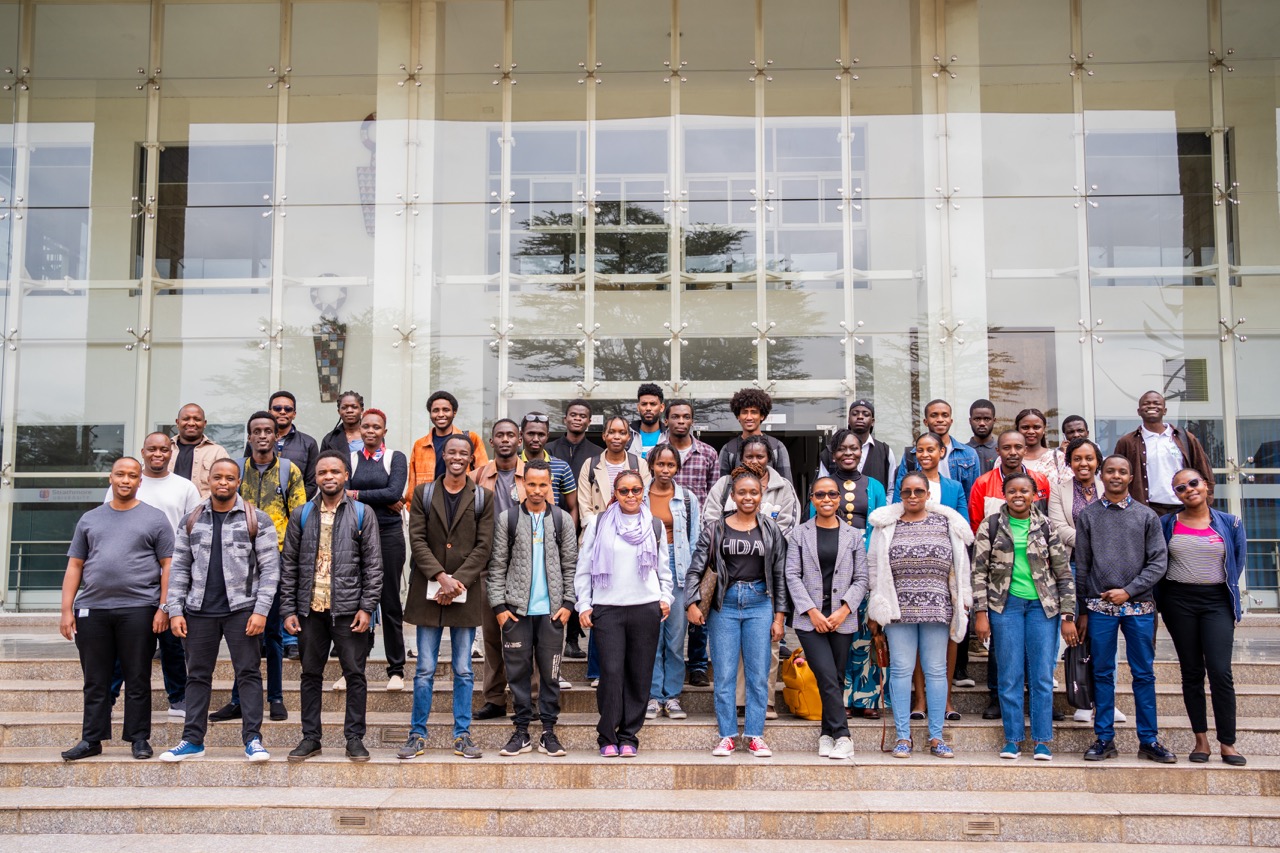
Inclusive ASR Innovation Sprint to Empower People with Non-Typical Speech in Kenya.
The second phase of the Centre for Digital and Language Inclusion (CDLI) initiative is now underway in Kenya, driving the development of inclusive Automatic Speech Recognition (ASR) systems for people with non-typical or slurred speech, particularly in African languages. This marks the second innovation sprint in a pan-African effort to close the digital divide for individuals with speech impairments, building on a successful pilot in Ghana.
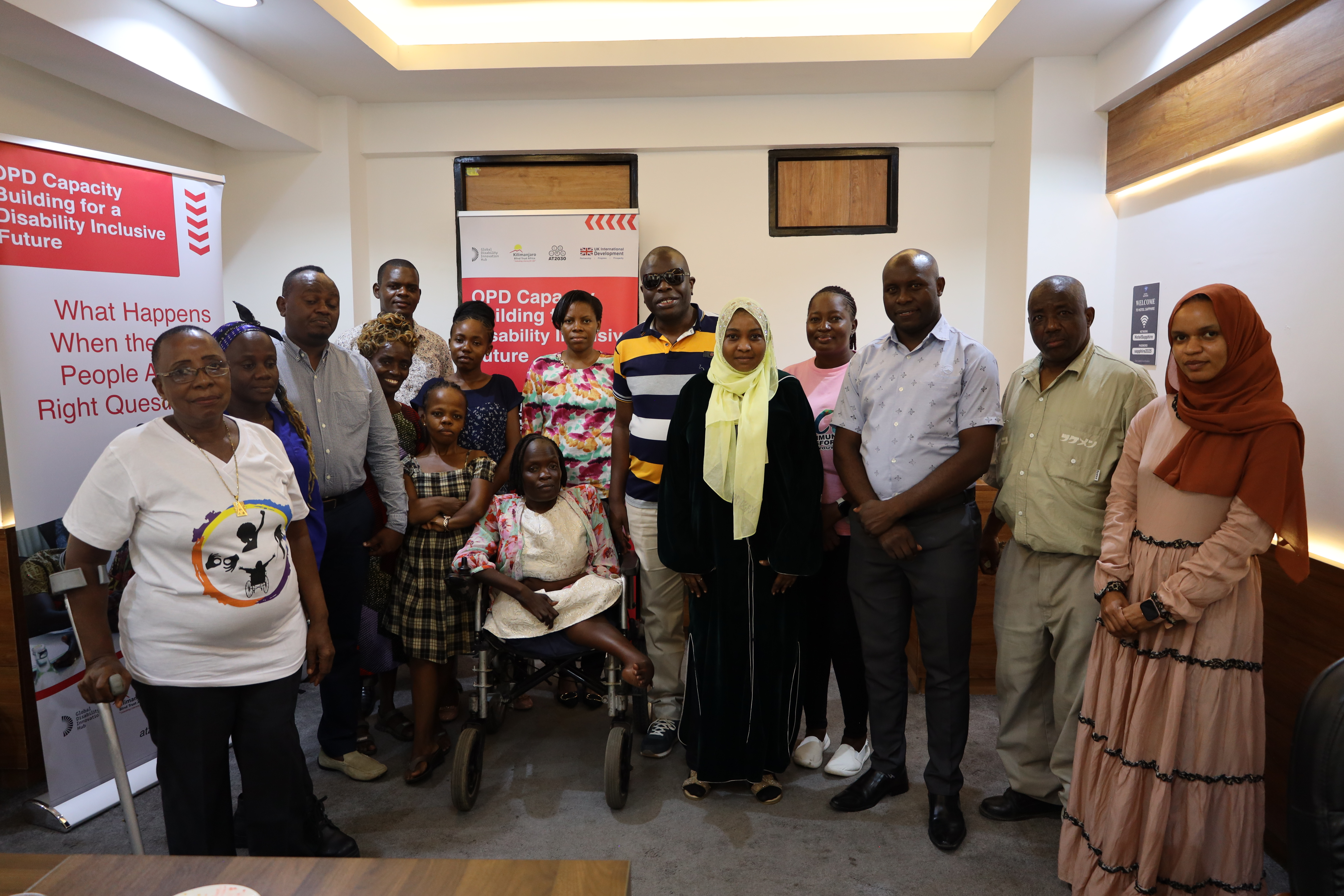
OPD Country Level Strategy for Kenya
The primary aim of this project is to develop an OPD Country Level Strategy for Kenya, titled: ‘How can technology support OPDs to build capacity, impact and influence’ - through a lens of Assistive Technologies which will include an OPD Capacity Building Framework co-created by OPDs.
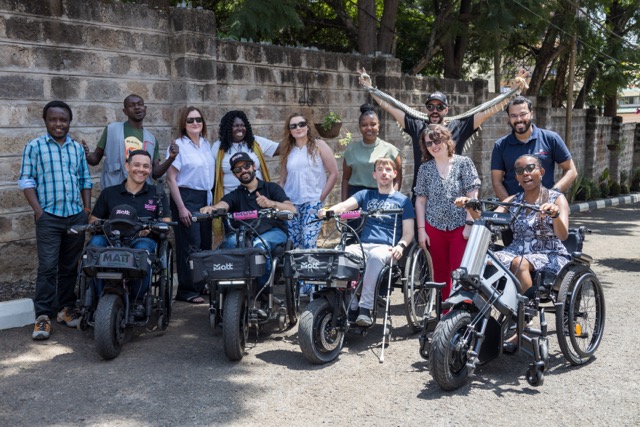
From Testing to Community Ownership: Kenya's Smart Mobility Project Enters Its Next Phase
In the informal settlements of Nairobi, wheelchair users are testing technology that could fundamentally change their lives. Kenya is home to approximately 400,000 people living with mobility impairments, many of whom face daily battles with deteriorating roads, limited accessible public transport, and infrastructure that wasn’t designed with them in mind. But a pilot project called Smart Mobility is exploring whether a simple innovation a detachable electric “third wheel” for wheelchairs could help break down these barriers.
Mobile as Assistive Technology Kenya Report Summary
This document presents the summary of findings from research investigating the impact of Mobile as Assistive Technology conducted in Kenya between 2024 and 2025. The project explored whether smartphones can serve as assistive technology for people who are Blind or Partially Sighted (BPS) and people who are Deaf or Hard of Hearing (DHH). The research was funded by the UK Department for International Development, Google, and ATScale – Global Partnership for Assistive Technology. The research was led by Global Disability Innovation Hub (GDI Hub) and University College London in collaboration with Jomo Kenyatta University of Agriculture and Technology, Kilimanjaro Blind Trust Africa, Senses Hub, and Safaricom.
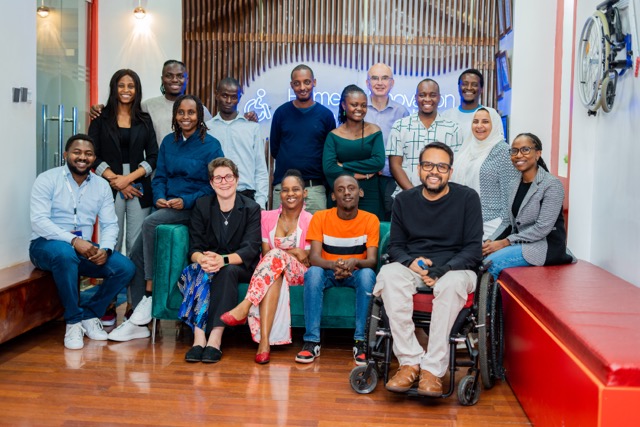
Building Inclusive Speech Recognition for All in Kenya
The GDI Hub’s Centre for Digital Language Inclusion (CDLI) is working to change that. Through its Automatic Speech Recognition (ASR) project in Kenya, CDLI is developing speech recognition models tailored for people living with diverse speech patterns, including those with impaired speech. The goal is simple yet transformative: to ensure that voice technology is available and inclusive for everyone not just those whose speech fits conventional models.
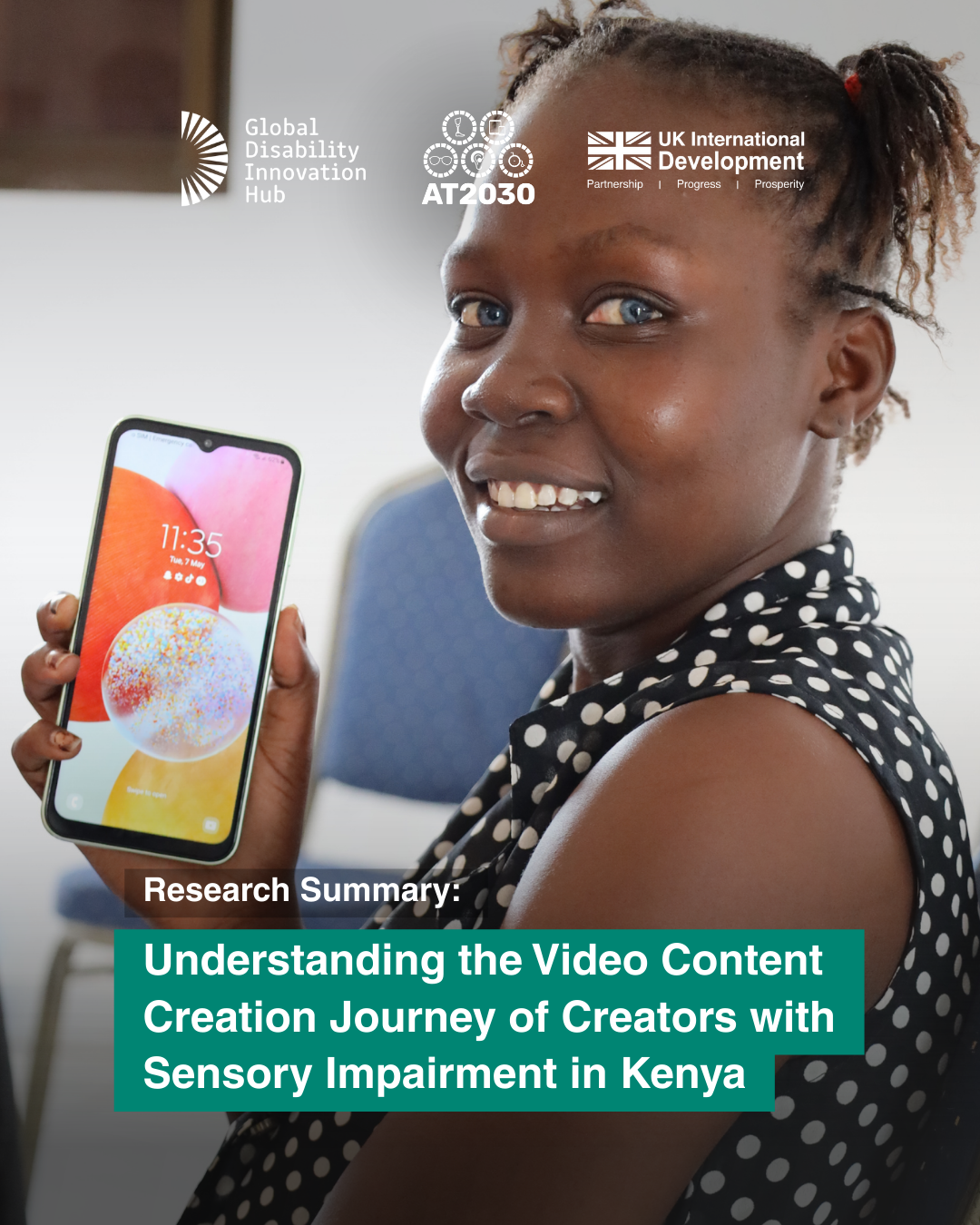
Understanding the Video Content Creation Journey of Creators with Sensory Impairment in Kenya
Video content creation offers vital opportunities for expression and participation, yet remains largely inaccessible to creators with sensory impairments, especially in low-resource settings. We conducted interviews with 20 video creators with visual and hearing impairments in Kenya to examine their tools, challenges, and collaborative practices. Our findings show that accessibility barriers and infrastructural limitations shape video creation as a staged, collaborative process involving trusted human partners and emerging AI tools. Across workflows, creators actively negotiated agency and trust, maintaining creative control while bridging sensory gaps. We discuss the need for flexible, interdependent collaboration models, inclusive human-AI workflows, and diverse storytelling practices. This work broadens accessibility research in HCI by examining how technology and social factors intersect in low-resource contexts, suggesting ways to better support disabled creators globally.
How Digital Skills Are Rewriting the Story of Disability-Led Organisations in Rural Kenya: Paul Olan’g
Olan'g is the founder and Executive Director of the Kenya Disabled Information Advisory Centre (KEDIAC) a community-based organisation working with persons living with various forms of disability in Nyando Sub-County, Kisumu County. KEDIAC works across 25 individual members and 15 affiliated disability groups, reaching an estimated 600 people across the region.
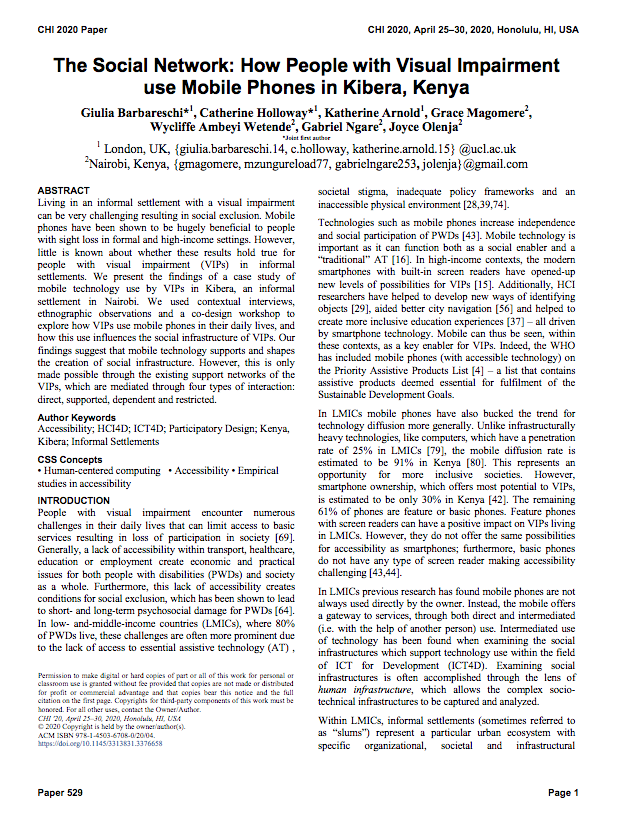
The Social Network: How People with Visual Impairment use Mobile Phones in Kibera, Kenya
This paper on how social interactions mediate the use of mobile phones by visually impaired people in Kibera, Kenya was accepted to the CHI2020 Conference, a global event on Human-Computer Interaction.
Experiences of lower limb prosthesis users in Kenya: a qualitative study to understand motivation to use and satisfaction with prosthetic outcomes
This paper explores the personal and system factors that motivate and enhance outcomes for patients accessing a prosthetic service and using a lower-limb prosthesis within a low resource setting. This study employed a qualitative approach to explore the motivations and satisfaction of individuals with lower limb loss engaging with a prosthetic service in Mombasa, Kenya. In-depth interviews were conducted over Microsoft Teams with 10 lower limb prosthesis users and thematic analysis was applied. Five key themes emerged: acceptance, self-determination, hope, clinician relationship and perception. These findings demonstrate the importance of hopeful thinking and a supportive community in overcoming physical and stigmatising challenges. The findings further highlight the value of the service provider relationship beyond just prescribing an assistive device.
Strengthening OPD Capacity for Inclusive Development in Mombasa County, Kenya
During consultations in Mombasa, Jemima Kutata, an OPD leader, captures a recurring reality: while disability rights are increasingly recognised in law, translating these provisions into meaningful change at the community level remains a challenge. This reflects a broader gap between Kenya’s progressive legal frameworks, particularly the Persons with Disabilities Act, 2025, and their implementation in practice. In Mombasa, a coastal urban hub shaped by tourism, trade, and a large informal economy, persons with disabilities face distinct barriers in accessing services, employment, and assistive technologies. While Organisations of Persons with Disabilities (OPDs) play a critical role in addressing these gaps, many continue to face structural and capacity-related constraints that limit their influence.
Strengthening OPD Capacity for Inclusive Development in Kisumu County, Kenya
Organisations working to bridge this gap face persistent challenges: gaps in digital literacy, limited access to assistive technologies, fragile organisational systems, and low visibility in decision-making spaces. Insights from a workshop convening 15 local leaders revealed a critical shift needed: moving from participation to influence. These findings directly inform the OPD Capacity Strengthening Framework, led by Kilimanjaro Blind Trust Africa (KBTA) and the Global Disability Innovation Hub (GDI Hub). By strengthening governance, advocacy, digital capacity, and partnerships, the framework equips organisations to drive sustained, strategic influence in inclusive development.
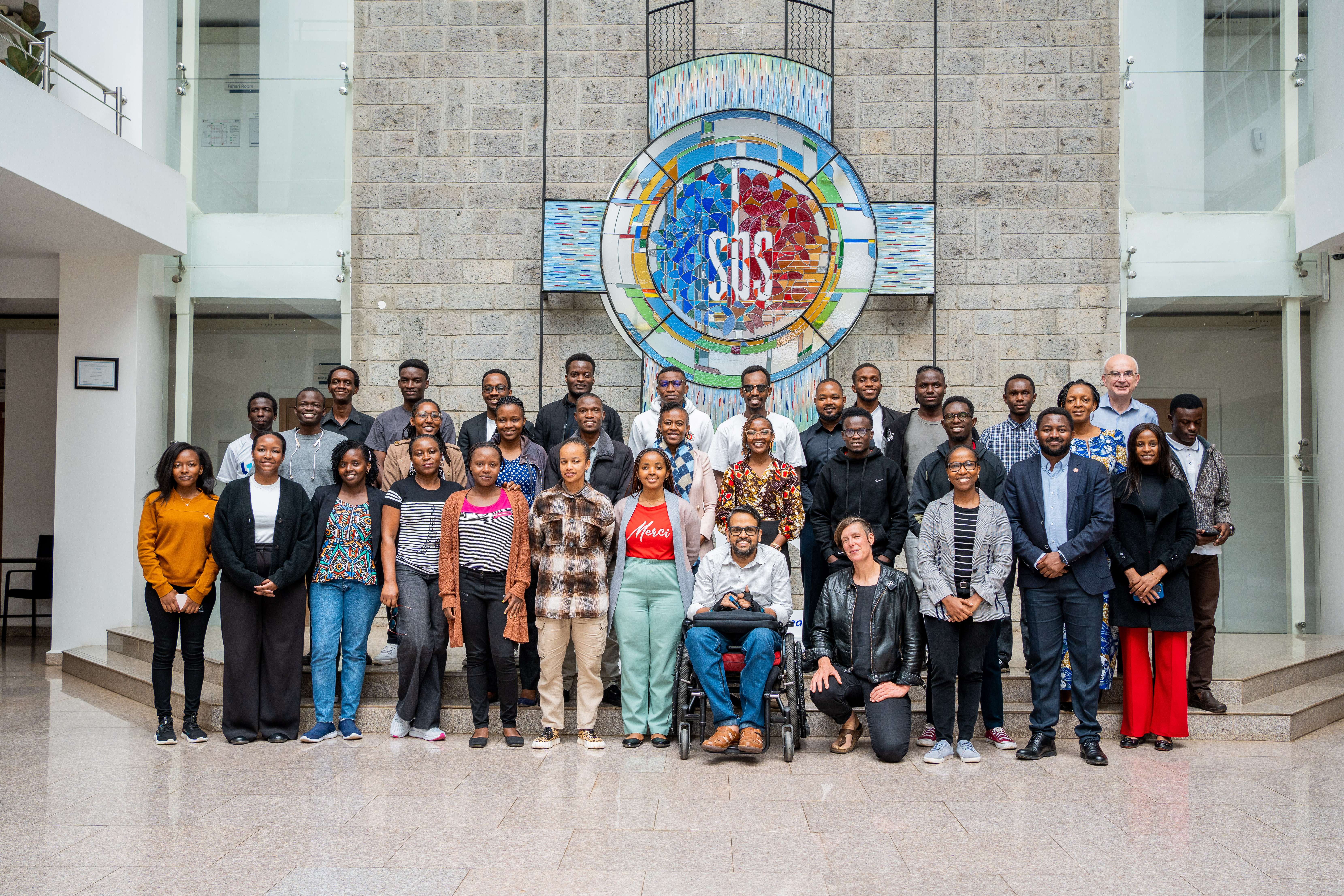
Kenya innovators join for the latest Centre for Digital Language Inclusion workshops
The Centre for Digital and Language Inclusion (CDLI) has finalised the second phase of its groundbreaking initiative to develop inclusive Automatic Speech Recognition (ASR) systems for individuals with non-standard or impaired speech in African languages. This effort aims to close the digital divide for people with speech impairments and marks a major milestone following a successful pilot in Ghana.
“When They See a Wheelchair, They’ve Not Even Seen Me”—Factors Shaping the Experience of Disability Stigma and Discrimination in Kenya
This paper addresses the gap in research on the factors that shape the experience of disability stigma including social interactions and AT use in Kenya. Via a series of focus groups with Kenyans without disabilities (Study 1) and secondary data analysis of consultations with Kenyans with disabilities and their allies (Study 2), we identify shared and divergent understandings of what shapes disability stigma and discrimination and highlight assistive technology as an influential factor that served to identify or “mark” someone as having a disability.
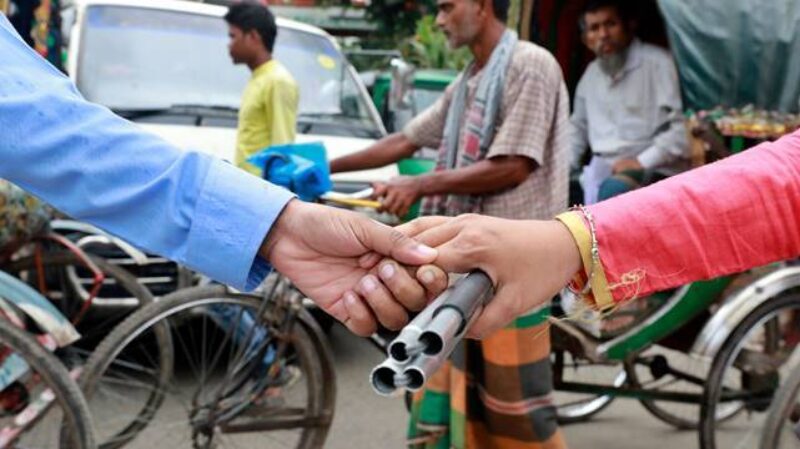
Exploring the experience of persons with disabilities of using mobile technology in their daily lives in Kenya and Bangladesh
Although, mobile phones are universally used for communication, for persons with disabilities they become essential assistive technologies that bridge barriers to opportunities which are not accessible otherwise.
Inclusive Infrastructure Case Study Nairobi, Kenya
Nairobi is experiencing rapid growth and investment in infrastructure which offers great potential to embed inclusion. The city has complex urban development challenges with roads and transportation commonly cited as major challenges. This case study explore the current state of the infrastructure provision - and makes recommendations for opportunities to imbed accessibility and inclusion.