Search Our Whole site:
Just Search: Rwanda
Rwanda national partner event to galvanise support on the Disability Information System for Inclusive Development
This case study explores a recent National Partner event led by the Rwandan National Council of Persons with Disabilities (NCPD) and its stakeholders to build support on the Disability Information System for Inclusive Development. This system aims to provide evidence-based support for inclusive policies, enhance accountability, improve service delivery, and foster better coordination among key stakeholders. Ultimately, the goal is to enhance management of disability information in the country.
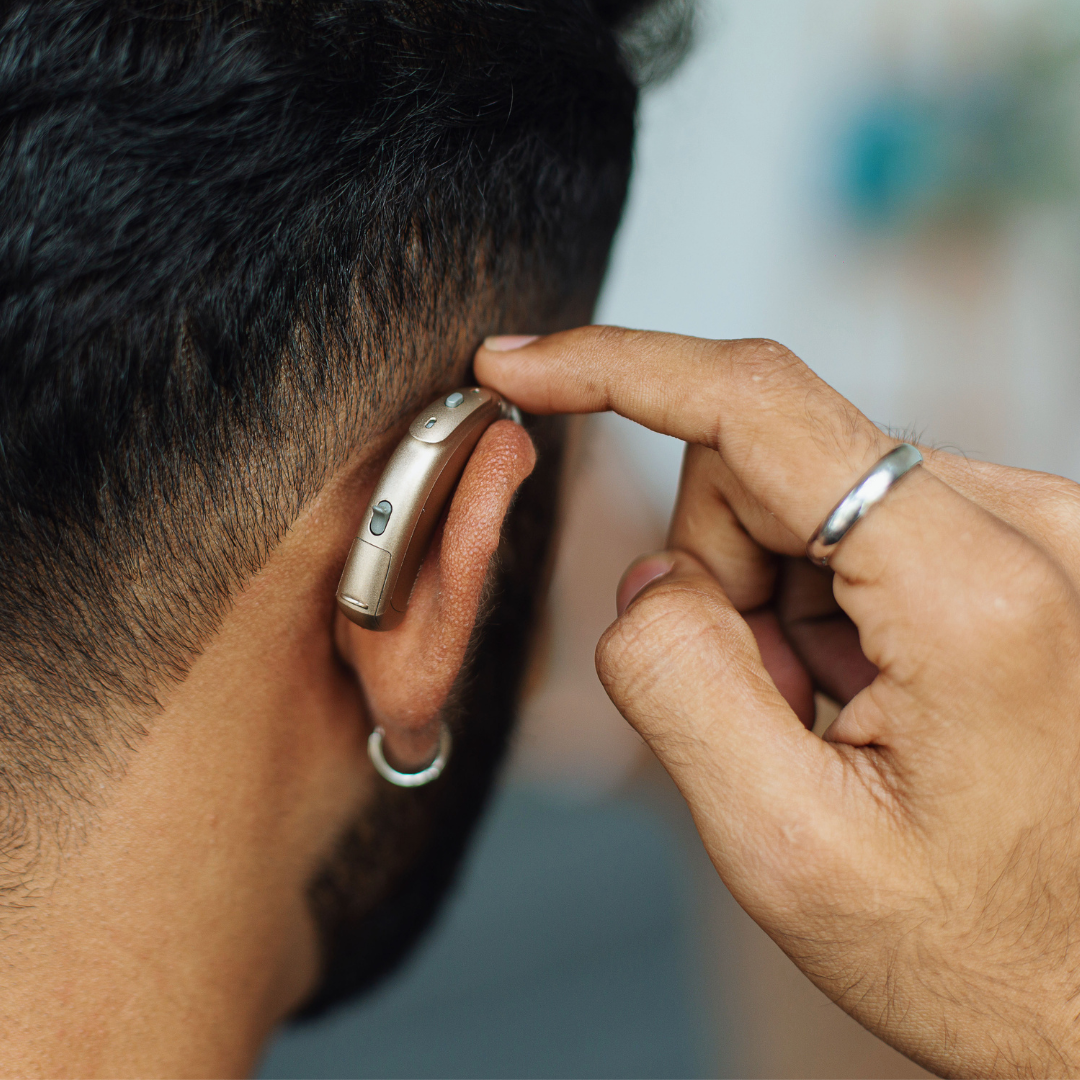
How AT2030 has facilitated a 94% price reduction to power access to life-changing hearing aids
In 2021 as part of the UK aid funded AT2030 programme, the Global Disability Innovation Hub and UNICEF were able to add hearing aids to the UNICEF Supply Catalogue for the first time. The catalogue enables governments around the world to access competitively priced and procured products - offering low-cost high-quality solutions for the first time. In Rwanda alone, a 94% reduction has been achieved.
How TAP-trained rehabilitation professionals are reaching children with disabilities in Rwanda
For most of his life, six-year-old Keddy Ihimbazwe Mapendo rarely saw the world beyond his family's front door. Born with cerebral palsy in Rubavu District in western Rwanda, Keddy could not sit unsupported or move on his own. His mother, Olive Niyigena, carried him from room to room in her arms. When she had to do household chores, she laid him down on a mat, where he often stayed for hours.
Final Report: Assistive Technology Country Capacity Assessment in seven African Countries using WHO Assistive Technology Assessment-Capacity Tool
Draft prepared by Clinton Health Access Initiative (CHAI)
Learnings from the Implementation: Assistive Technology Country Capacity Assessment using WHO Assistive Technology Assessment-Capacity Tool
This draft was prepared by the Clinton Health Access Initiative (CHAI)
Lessons learned from assistive technology country capacity assessments 2019/2020
The purpose of the CCAs is to “capture a high-level understanding of the often-fragmented AT sector in a country or region,” helping raise awareness about AT gaps and opportunities and contributing to advocacy and policy and program development. One year after the first CCAs began, GDI Hub commissioned research into lessons learned so far and recommendations for how the tool and process might be improved in the future.